




How to Buy Used Laboratory Equipment Online?
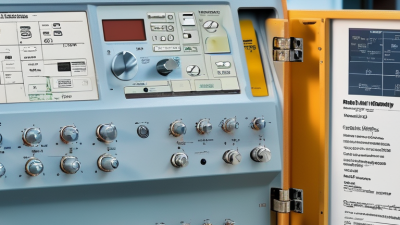
Buying used laboratory equipment online can reduce costs, but the lowest price rarely tells the whole story. A reliable purchase begins with a clear specification, not an attractive photograph. Define the required range, accuracy, capacity, voltage, software compatibility, and intended workload before contacting sellers. A centrifuge for occasional teaching use may not suit a clinical research environment. Small differences matter.
“Condition, documentation, and support are often more important than the discount,” says Dr. Martin L. Evans, an independent laboratory equipment consultant with more than twenty years of service experience. His advice reflects a practical truth: Used Laboratory Equipment should be evaluated as working systems, not isolated objects. Ask for serial numbers, maintenance records, calibration certificates, operating hours, and recent test results. Request close photographs of seals, cables, displays, chambers, connectors, and corrosion-prone surfaces. If the seller avoids specific answers, pause.
Check the seller’s history, return terms, packing method, delivery insurance, and technical support. Confirm that accessories shown in the listing are included in writing. For imported equipment, verify power requirements and plug standards before payment. A refurbished instrument may perform well, yet “refurbished” can mean different things. That needs clarification.
Do not ignore uncertainty. I have seen buyers focus on a polished exterior while missing outdated software or unavailable replacement parts. A checklist helps, but judgment still matters. Measure twice. Buy once. This guide explains how to compare listings, question sellers, inspect evidence, and make a safer, more informed decision online.
Define Your Requirements and Evaluation Criteria
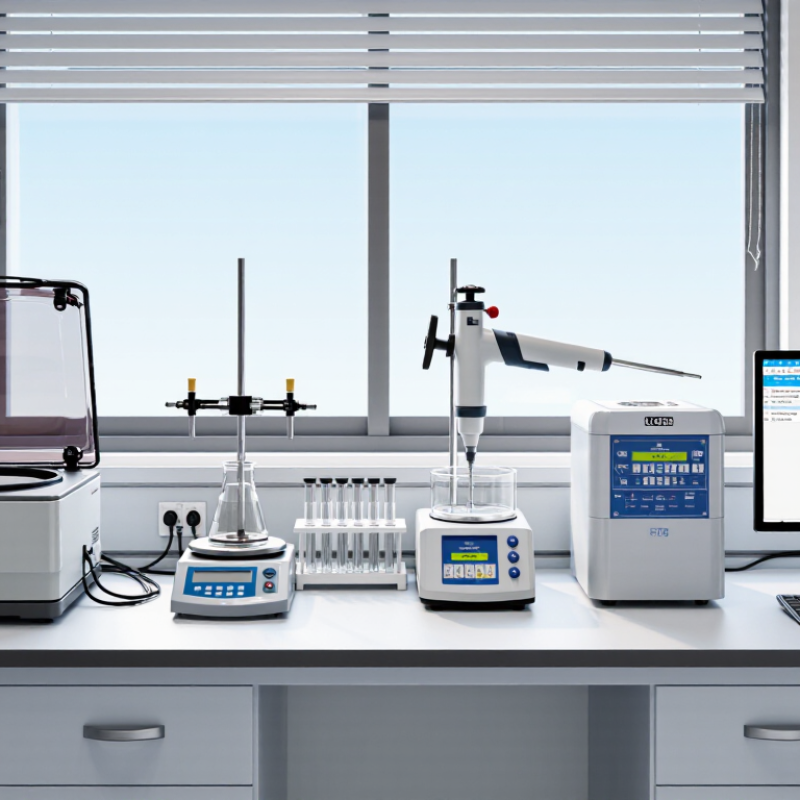
Before browsing used laboratory equipment online, write a precise requirement sheet. Include the application, sample type, capacity, measurement range, accuracy, and required accessories. Record environmental limits too, such as temperature, humidity, and power supply. Small omissions can become expensive problems.
I once inspected a used analytical instrument that matched the advertised model but lacked a required detector. The photos looked convincing. The configuration was not. Ask for the exact model number, manufacturing year, operating hours, service records, calibration certificates, and recent test results. Request clear images of connectors, chambers, displays, seals, and internal wear. Ask whether the equipment was stored properly and why it was removed from service.
Set evaluation criteria before comparing prices. Separate essential features from convenient extras. Check whether replacement parts, software access, manuals, and technical support remain available. Confirm that the seller can demonstrate basic operation, preferably with a recorded test using suitable reference material. Review the warranty, return conditions, packing method, and delivery inspection process in writing. Do not accept vague claims such as “fully tested.” Define what tested means.
A practical scoring table can rate condition, performance evidence, documentation, support, and total ownership cost. Give each category a clear weight. I sometimes overvalue a low price. That mistake deserves attention. A cheaper unit may need calibration, repairs, installation, or operator training before producing dependable results. Ask a qualified colleague to review the requirements before payment. Fresh eyes often catch assumptions that online listings hide.
Find Reputable Online Sources for Used Laboratory Equipment
Finding reputable online sources is the safest part of buying used laboratory equipment. Start with university surplus portals, government auction platforms, accredited refurbishers, and established scientific-equipment marketplaces. Their listings should show the model number, serial number, manufacture date, operating condition, and clear photographs. A vague listing is a warning sign. Ask for service records, calibration results, maintenance logs, and a written decontamination statement before paying.
The 2024 Global E-waste Monitor reported 62 billion kilograms of electronic waste in 2022, while only 22.3% entered documented collection and recycling systems. This makes traceability important, not cosmetic. Choose sellers who explain equipment history and provide responsible recovery options. The Circularity Gap Report 2024 estimated that global circularity declined to 7.2% in 2023. Buying refurbished equipment can support reuse, but only when testing is transparent.
Request a video showing the unit powering on. Check displays, seals, cables, pumps, temperature stability, and unusual noise. For analytical instruments, confirm software compatibility and available replacement parts. For centrifuges, inspect the rotor, lid lock, and inspection date. Do not rely on “fully tested” alone. That phrase can mean almost anything.
Compare the seller’s return policy, warranty period, shipping insurance, and payment protection. A low price may hide missing accessories or expensive installation. I would also contact the manufacturer’s technical documentation service, even when the seller seems experienced. Some older models lack current support. That detail is easy to overlook.
| Online Source Type | Equipment Commonly Available | Information to Verify | Inspection Evidence to Request | Typical Transaction Protection | Risk Level | Recommended Buying Action |
|---|---|---|---|---|---|---|
| Specialized laboratory-equipment marketplace | Analytical instruments, centrifuges, incubators, microscopes, balances, and chromatography systems | Model or catalog number, manufacturing date when available, operating condition, included accessories, and location | Recent operating video, photographs of labels and connectors, maintenance records, and calibration documents | May include platform messaging, seller ratings, listing history, and dispute procedures; terms vary by platform | Medium | Compare several listings and request a written condition report before making an offer |
| Certified laboratory-equipment refurbisher | Tested and serviced equipment such as spectrophotometers, thermal equipment, pumps, and balances | Refurbishment scope, replacement parts used, service date, calibration method, and warranty duration | Service checklist, calibration certificate, test results, serial-number photographs, and warranty document | Often provides a limited warranty and formal invoice; read exclusions, return rules, and shipping responsibilities | Low to Medium | Prefer suppliers that provide traceable service records and a clearly stated warranty |
| University, research-institution, or public-sector surplus auction | General laboratory furniture, glassware, freezers, centrifuges, pumps, and retired research equipment | Whether the item is tested, the reason for disposal, pickup requirements, electrical specifications, and completeness | Detailed lot photographs, power-on status, asset description, and any available maintenance history | Usually sold as-is, with limited returns and buyer responsibility for removal and transportation | High | Bid only after confirming inspection access, transportation needs, and total landed cost |
| General business-to-business resale marketplace | Laboratory furniture, storage cabinets, pumps, mixers, basic instruments, and facility equipment | Seller identity, equipment specifications, age, operating status, quantity, and payment terms | Live video demonstration, close-up photographs, purchase documentation, and references from previous buyers | Protection depends on the platform and payment method; direct bank transfers may offer limited recourse | High | Use protected payment, avoid incomplete listings, and verify the seller before sharing funds |
| Laboratory liquidation or asset-recovery website | Large groups of instruments from laboratory closures, facility relocations, or equipment upgrades | Lot contents, item status, decontamination statement, removal schedule, and loading arrangements | Inventory spreadsheet, photographs of each unit, decontamination records, and a site-visit option | Frequently sold as-is; buyers may need to arrange dismantling, packaging, freight, and insurance | High | Calculate dismantling, crating, freight, installation, and qualification costs before bidding |
| Direct sale from a laboratory or company | Recently replaced equipment, duplicate instruments, laboratory furniture, and complete workstations | Ownership, usage history, operating environment, software status, service history, and reason for sale | On-site inspection, demonstration under normal operating conditions, maintenance logs, and transfer documents | Usually based on a negotiated sales agreement; warranty and returns must be written into the contract | Medium | Use a written purchase agreement that defines condition, accessories, acceptance testing, and liability |
| Online classified listing | Low-cost laboratory furniture, basic tools, small benchtop instruments, and surplus accessories | Seller contact details, exact location, dimensions, power requirements, visible damage, and working status | Current timestamped photographs, live video call, serial-number image, and in-person inspection when possible | Often provides no warranty and limited dispute support; payment and collection risk is higher | High | Use local inspection and secure payment; do not rely on stock photographs or incomplete descriptions |
Verify Equipment Condition, Specifications, and Seller Reliability
How to Buy Used Laboratory Equipment Online?
Verify Equipment Condition, Specifications, and Seller Reliability
Buying used laboratory equipment online requires more than comparing prices. Verify three things: condition, specifications, and seller reliability. Ask for recent photos of the instrument, including the display, connectors, chamber, cables, and serial plate. Request a short operating video with visible readings. A clean exterior means little if the screen flickers or the motor sounds uneven.
Check the exact model, dimensions, power requirements, operating range, capacity, and included accessories. Compare these details with your laboratory’s setup. Confirm whether software, manuals, probes, or adapters are included. Calibration records matter, especially for measuring instruments. Their absence does not always mean the equipment is unusable, but it increases uncertainty. Ask when the unit was last tested and what failed previously.
Study the seller’s history, business information, technical responses, and customer references. Reliable sellers answer specific questions without avoiding difficult details. Request a written condition report, testing procedure, return terms, and shipping protection. Never rely on stock photos alone. A live video inspection is better. Still, it is not perfect. Hidden wear may appear only after installation. I would leave room in the budget for inspection, replacement parts, or recalibration. Payment records, serial information, and delivery documents should match the listing. Small inconsistencies deserve attention.
Compare Prices, Warranties, Shipping, and Return Policies
Buying used laboratory equipment online requires more than comparing the listed price. LabX’s 2024 Laboratory Market Report shows that buyers increasingly consider condition, service history, and total ownership cost. A low-priced centrifuge may need rotor replacement, calibration, or special packaging. Request operating hours, maintenance records, calibration certificates, and clear photos of seals, cables, displays, and corrosion. Compare at least three listings with identical specifications. Prices can differ sharply because accessories are often excluded.
Warranty language needs careful reading. A 30-day warranty may cover only the main unit, not sensors or consumable parts. Check whether labor, replacement parts, and return shipping are included. The 2023 Lab Manager purchasing survey identified budget control as a major equipment-buying concern, but saving money can create hidden costs. Shipping deserves equal attention. Ask about crating, insurance, delivery access, and temperature protection. A heavy analyzer arriving on a damaged pallet is not a bargain.
Tips: Build a comparison sheet before payment. Record price, warranty length, shipping cost, return window, and exclusions. Confirm serial numbers and test results in writing. Use escrow or protected payment when possible. Do not accept vague promises. My practical concern is simple: even careful buyers can overlook installation requirements. A return policy may exist, yet returning a 200-kilogram instrument can cost more than expected. Read every condition twice.
How to Buy Used Laboratory Equipment Online?
Compare Prices, Warranties, Shipping, and Return Policies
Typical used-equipment prices are shown as a percentage of comparable new equipment. Buyers should also verify warranty coverage, shipping time, inspection or calibration requirements, and the return window before purchasing. A lower price may not represent better value if transportation, repairs, or limited support increase the total cost.
Complete the Purchase and Arrange Safe Delivery and Inspection
After choosing used laboratory equipment, complete the purchase with written evidence. Request clear photos of the unit, accessories, serial plate, operating hours, and recent service records. Ask whether calibration remains valid and identify any missing components. A low price can hide expensive repairs.
Use a purchase order that states the equipment’s condition, tested functions, included parts, delivery date, and acceptance criteria. In practice, vague wording creates disputes. Select a carrier experienced with sensitive instruments, and require rigid packaging, internal cushioning, moisture protection, and a shock indicator. Confirm insurance coverage before payment. Photograph the sealed package at collection and again when it arrives. Keep every document.
Tips: Arrange delivery when a trained person is available. Check crate damage before signing. Note dents, broken seals, or unusual movement on the delivery record. After unpacking, compare the contents with the agreement, then inspect cables, doors, screens, connectors, and fluid lines. Do not power on equipment with visible damage or moisture. Let cold equipment reach room temperature first. Record model details and inspection results. An independent technician should verify performance, safety features, and calibration before routine use. I have seen buyers overlook small adapters, then lose days finding replacements. Building a short inspection checklist helps, although my first checklist was still too general.
Related Posts
-
How to Buy Used Laboratory Equipment in 2026?
-
Maximizing Repair Cost Efficiency with Best Biotechnology Equipment for Future Innovations
-
Top 10 Essential Lab Equipment Every Scientist Needs?
-
Top 10 Lab Equipment Suppliers for Global Buyers
-
Top Biological Lab Equipment Suppliers in China?
-
Unlocking Quality: Proven Techniques for Sourcing the Best Used Laboratory Equipment