





China Top Organic Fertilizer Suppliers for Global Buyers
For global buyers, selecting an Organic Fertilizer supplier is more than comparing prices. Product consistency, clear documentation, and dependable shipping all matter. A shipment may look excellent on paper, yet perform differently across soils, crops, and climates. That gap deserves attention. Buyers should examine nutrient analysis, raw material sources, production controls, and packaging details before making commitments. Sir Albert Howard, a pioneer of organic agriculture, wrote, “The health of soil, plant, animal and man is one and indivisible.” His words remain a useful reminder: fertilizer quality matters beyond the bag.
This guide introduces leading Chinese suppliers for international buyers and offers practical points for evaluating them. It considers product range, quality assurance, export experience, communication, and the evidence companies provide. A certificate can help, but buyers should verify its scope and relevance rather than rely on a logo alone. Ask for recent test reports, sample packaging, and realistic delivery timelines. Small details count, such as whether granules remain intact after handling or labels clearly state nutrient content. Still, no supplier profile can replace checks suited to a buyer’s own market and crop needs. Supplier information changes, and a polished website proves little by itself. This comparison is a starting point, not a guarantee; careful questions remain essential.
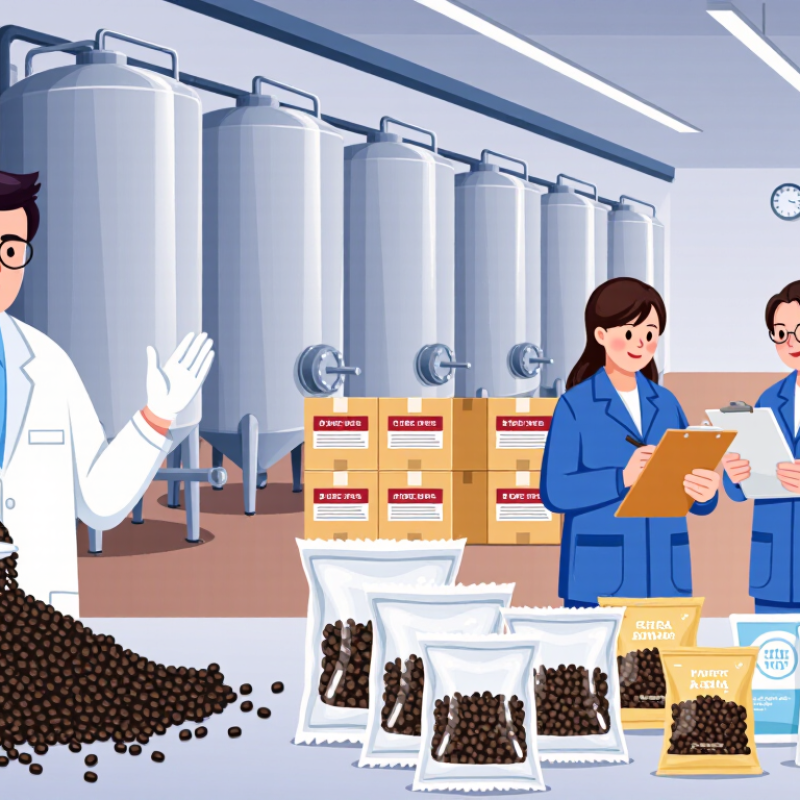
China’s Organic Fertilizer Industry and Its Role in Global Supply
China’s organic fertilizer industry is shaped by varied agricultural regions and locally available organic residues. Producers may process crop straw, livestock manure, or food-processing by-products, depending on their feedstock supply. The result is not one uniform product. Nutrient levels, moisture, particle size, and maturity can differ between batches. For global buyers, this variety may suit different soil needs, but it calls for careful evaluation. A dry, screened granule, for example, is often easier to handle than a damp, fine powder. Small details matter.
China’s supply network links farms, processing facilities, laboratories, and export ports. Some suppliers offer bulk compost, while others provide screened granules in specified packaging. Export readiness depends on more than production volume. Buyers can request recent nutrient analyses, moisture data, maturity indicators, and batch records before comparing offers. It is also useful to ask how feedstocks are sourced and how temperature and turning are monitored during composting. These checks help assess whether fertilizer is stable enough for storage and transport. Documentation can be uneven. That deserves attention, not assumption.
Types of Organic Fertilizers Offered by Chinese Suppliers
Chinese suppliers offer several types of organic fertilizers, with availability depending on local feedstocks and processing capacity. Composted livestock manure is a common option for improving soil structure and adding organic matter. Plant-based compost, made from crop residues or other plant materials, may suit buyers seeking lower-salinity inputs. Vermicompost is another choice; its fine texture can make it convenient for blending into potting media. Quality still varies.
Some suppliers also produce fermented or pelletized organic fertilizers. Pellets are easier to handle and spread with machinery, while powdered products can dissolve or blend more readily. Bio-organic fertilizers may combine organic matter with selected beneficial microbes, but buyers should confirm viable counts and storage conditions. Ask for a recent analysis covering nutrient content, moisture, maturity, and relevant contaminant limits. A neat label is not proof. Requesting a representative sample can reveal odor, texture, and consistency before a large order. Feedstocks differ, and even a good specification may not predict field performance exactly; a small trial is sensible.
How to Evaluate Chinese Organic Fertilizer Suppliers
Global demand makes supplier checks worth the effort. FiBL and IFOAM’s The World of Organic Agriculture 2024 reports 96.4 million hectares of organic farmland across 188 countries in 2022. That signals market scale, not product quality. Keep that distinction.
Ask Chinese suppliers for batch-specific laboratory results, not a generic certificate. Check organic matter, moisture, nutrient content, pH, maturity, and contaminants against the destination market’s requirements. Request the laboratory’s accreditation scope, sampling date, and sample-seal record. Compare recent batches. Variation matters.
Review feedstock sources and composting controls, including temperature records and curing time; a polished brochure cannot verify them. China’s NY/T 525-2021 standard can serve as a domestic reference, but confirm current destination requirements before contracting. The same FiBL and IFOAM report estimates 2022 global organic retail sales at €135 billion. This reflects market size, not fertilizer efficacy. Lab results have limits. Field performance can shift with soil, crop, and handling, so an independent trial on the buyer’s soil may reveal what a certificate misses.
China Top Organic Fertilizer Suppliers for Global Buyers: How to Evaluate Suppliers
Suggested evaluation weights for comparing suppliers. These are a buyer-oriented framework, not survey results or ratings of specific companies.
Prioritize product quality and independently verifiable documentation. Check applicable fertilizer regulations and certification requirements in the destination market, and verify specifications, production capacity, and shipping terms directly with each supplier.
Quality Standards and Export Compliance for Global Buyers
Global buyers comparing organic-fertilizer suppliers in China should assess product quality and destination-market compliance separately. A certificate alone is not enough. FiBL and IFOAM’s The World of Organic Agriculture 2024 reports 96.4 million hectares of organic farmland worldwide in 2022. This figure describes farmland, not fertilizer demand; the distinction matters when evaluating market claims.
Request a batch-specific certificate of analysis, with methods and sampling dates stated. Check moisture, pH, organic matter, nutrient levels, and relevant contaminant results. Test reports should match the shipment’s batch number, not just a factory sample. For EU-bound products, Regulation (EU) 2019/1009 sets conformity requirements for fertilising products using applicable routes. It does not automatically establish that an input is permitted in organic production. Buyers should verify current destination-market rules and accepted-input requirements before ordering.
Export documentation should connect the product label, analysis report, production lot, and shipping records. Ask how the supplier handles changes in feedstock or production, since these can affect composition. Keep a retained sample when practical. Small detail, big value. Paperwork may look complete while batch traceability remains weak; that gap deserves a direct question before shipment.
Sourcing, Shipping, and Importing Organic Fertilizers from China
Sourcing organic fertilizer from China takes more than comparing quotations. Ask suppliers for a clear product specification, ingredient list, nutrient analysis, moisture level, and batch-specific test reports. Independent testing can help verify claims on heavy metals or pathogens, where relevant to the product and destination market. The FiBL and IFOAM report The World of Organic Agriculture 2024 recorded 96.4 million hectares of organic farmland worldwide in 2022, underscoring a sizable and varied market. Demand does not guarantee that a shipment meets your import rules.
Shipping details matter. UNCTAD’s Review of Maritime Transport 2023 notes that over 80% of world trade by volume moves by sea. Confirm the port, packaging, container loading plan, Incoterms, and estimated transit time in writing. Check destination-country rules for fertilizer registration, labeling, certificates, and testing before paying a deposit; requirements vary by product and market. A damp bag or unclear customs description can cause costly delays. A low quote can still be the expensive choice.
Tips
Request a sealed sample and match it against the final batch documents. Confirm the correct customs tariff classification with a qualified broker. Ask who handles export documents, cargo insurance, and port charges. Keep email records. Even a careful checklist can miss something, so verify critical details independently before shipment.
