





How to Choose a Prototype Sheet Metal Supplier
Choosing a Prototype Sheet Metal supplier is not just a matter of comparing prices. The right partner can turn a sketch into a usable part while exposing design issues before they become expensive. Look for practical experience with your material, thickness, bend geometry, and production method. A supplier familiar with aluminum panels may not handle stainless steel brackets with the same consistency. Details matter.
Ask how the team reviews drawings, checks tolerances, and communicates when a feature cannot be made as specified. A useful supplier will flag problems early, explain workable alternatives, and provide clear inspection results. For example, confirm whether a quoted bend tolerance applies across the whole part or only to a specific feature. Small distinction. Review sample parts, finishing quality, and how edges, holes, and formed corners are handled. Also compare lead times, revision procedures, and the support available when your first design changes. That happens often. A polished website or low quote cannot prove dependable performance; documented processes and direct technical answers offer stronger evidence. Still, no checklist removes every risk. A prototype may reveal a flaw in your own assumptions, and a good supplier should help you learn from it without promising perfection. This guide explains what to evaluate, which questions to ask, and how to judge whether a supplier can support both your immediate prototype and the next stage of development.
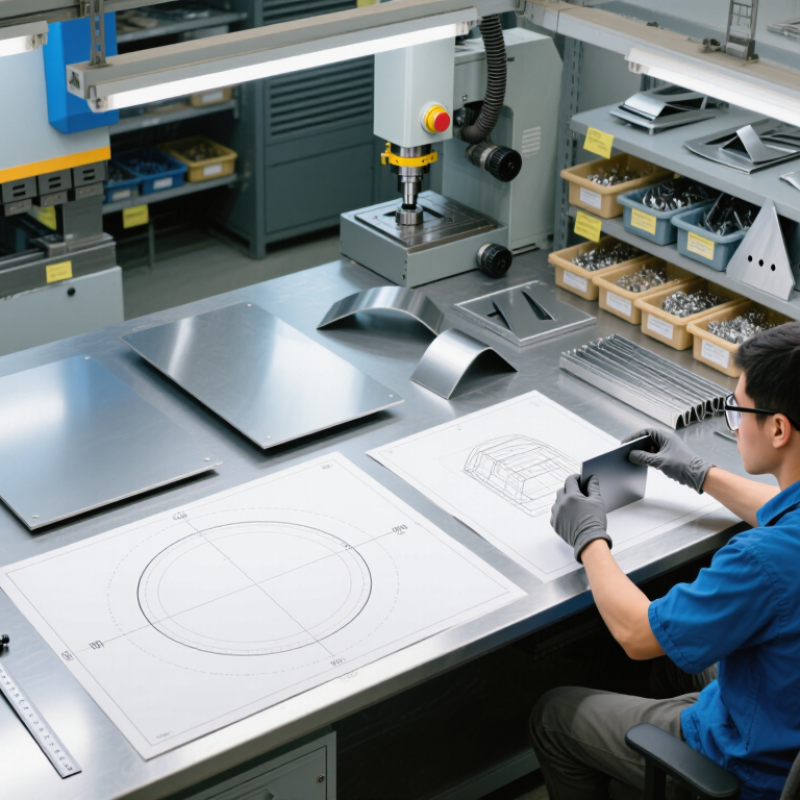
Define the Prototype Sheet Metal Project Requirements
Before requesting a quote, describe what the prototype must do. Is it a cover, a mounting bracket, or a part that carries load? State the intended use and testing conditions. A panel tested indoors may need different corrosion protection from one exposed to moisture. Small details matter.
Share the latest CAD file and a dimensioned drawing. Specify the material and thickness, such as 1.2 mm stainless steel, and identify critical dimensions. Mark bend angles, hole locations, and surfaces that must align with mating parts. Avoid vague notes like “tight tolerance.” Give a tolerance where fit or function depends on it. If a dimension is still flexible, say so.
Also define quantity, finish, and assembly needs. A prototype may need only a few pieces, but each should match the intended process as closely as practical. Note whether edges need deburring, whether cosmetic faces must remain scratch-free, and which fasteners or inserts are required. Be specific. In practice, teams sometimes overlook a cable opening or a tool-access gap until assembly. It happens. Record known uncertainties instead of hiding them; a supplier can then flag questions before cutting material. Include the date you need parts and whether design changes are likely, since revisions can affect setup time and cost.
How to Choose a Prototype Sheet Metal Supplier - Define the Prototype Sheet Metal Project Requirements
| Requirement | Example Specification | What to Confirm with the Supplier |
|---|---|---|
| Part purpose | Functional enclosure prototype for fit, assembly, and thermal testing | Confirm the proposed process can produce the features needed for the intended tests. |
| CAD and drawing files | 3D CAD model plus a dimensioned 2D drawing in a mutually agreed file format | Ask the supplier to review file completeness, units, revision level, and any conflicting dimensions. |
| Material | 5052-H32 aluminum sheet | Confirm material availability, temper, and whether material certification is required. |
| Sheet thickness | 1.5 mm nominal | Check available stock thickness and how thickness variation may affect fit or formed dimensions. |
| Overall size | Approximately 250 × 180 × 60 mm after forming | Confirm machine capacity and whether the part can be made in one piece or needs multiple components. |
| Critical dimensions | Mounting-hole locations and mating surfaces identified on the drawing; general tolerance stated separately | Agree on achievable tolerances for critical features and how inspection will be performed. Tolerances depend on geometry, material, and process. |
| Cut features | Laser-cut perimeter, ventilation slots, and mounting holes | Review minimum feature sizes, edge condition, and any restrictions related to hole-to-edge spacing. |
| Forming requirements | Four 90-degree bends with specified inside radii and bend directions | Confirm bend-radius feasibility, bend relief needs, and any potential interference during forming. |
| Joining and hardware | Two sheet-metal sections joined with specified fasteners; threaded inserts required at selected locations | Confirm hardware type, installation method, access for assembly, and whether hardware is included in the quotation. |
| Surface finish | Deburred edges; clear anodizing on visible aluminum surfaces | Confirm finish availability, masking requirements, and whether finishing affects dimensions or lead time. |
| Prototype quantity | 5 complete assemblies | Request pricing for the stated quantity and ask whether setup or tooling charges apply. |
| Inspection | Dimensional check of critical features and visual review of finish and edges | Agree on inspection criteria, measurement records, and whether a first-article report is needed. |
| Delivery target | Delivery within 3 weeks after drawing approval | Ask for a confirmed schedule covering material procurement, fabrication, finishing, inspection, and shipping. |
| Packaging and shipping | Protect finished surfaces and prevent parts from rubbing or bending in transit | Specify delivery location, packaging expectations, and whether shipping costs should be included in the quote. |
Compare Supplier Capabilities and Fabrication Processes
How to Choose a Prototype Sheet Metal Supplier
Compare Supplier Capabilities and Fabrication Processes
A capable supplier should explain how its equipment fits your part, not simply list machines. Ask about laser power, cutting-bed size, and supported material thickness. For punched features, check available tooling and minimum hole spacing. For bends, compare press-brake length, tooling, and experience with your material’s springback. These details matter. A flat panel may look simple, yet a tight flange beside a small hole can distort during forming. Ask for design-for-manufacturing feedback before approving the drawing.
The process should match the prototype’s geometry and intended use. Laser cutting suits flexible profiles; punching can be efficient for repeated features. Press brakes form bends, while welding may introduce heat distortion that affects fit. Request inspection records, material traceability, and a first-article check against critical dimensions. A low quote can still be the wrong choice. It is easy to overlook setup costs or secondary operations. A 2024 Deloitte and Manufacturing Institute study projected 3.8 million U.S. manufacturing jobs would be needed by 2033, with 1.9 million potentially unfilled. This broad workforce forecast is not specific to sheet metal, but it makes staffing and process continuity sensible supplier questions.
Tips: Send a dimensioned drawing and 3D file. Mark critical tolerances. Ask which features may need revision, and why. Compare realistic lead times, not just quoted prices. Then review the first sample carefully.
How to Choose a Prototype Sheet Metal Supplier
Compare supplier capabilities and fabrication processes against your material, geometry, and production needs.
How to use this chart: Material density affects part weight, so confirm that a supplier can source and fabricate the specific alloy your design requires. Values are approximate at room temperature; verify material grade and specifications when requesting a quote.
Evaluate Quality Systems, Materials, and Engineering Support
A prototype sheet-metal supplier should prove its quality system with records, not polished promises. Ask for current ISO 9001 certification, inspection plans, calibration logs, and a sample first-article report. For a bent bracket, that report should identify the material grade, thickness, bend angles, and hole positions. Small variations matter. A hole shifted by one millimeter can disrupt assembly.
Material control deserves equal scrutiny. Request mill certificates and traceability from sheet stock to each prototype. Confirm alloy, temper, thickness tolerance, and grain direction when forming requires it. NIST’s Manufacturing Extension Partnership reported $5.6 billion in client cost savings in its FY2022 impact results. That figure spans many manufacturing improvements, not sheet-metal suppliers alone, but it illustrates the potential value of disciplined process support.
Engineering support should begin before cutting. Send a STEP file and drawing, then check whether engineers flag tight inside radii, tool access, bend relief, or tolerance stack-up. Ask for a marked-up drawing and a proposed design change, with trade-offs explained plainly. A supplier who only quotes the file may miss avoidable rework. Still, fast feedback is not automatically good feedback; verify that revisions and approvals are documented. I would inspect the first part myself.
Assess Lead Times, Pricing, and Communication
A prototype sheet-metal quote should show more than one delivery date. Ask when design-for-manufacturing review, cutting, bending, finishing, inspection, and shipping will happen. The ISM October 2024 Manufacturing PMI report recorded a Supplier Deliveries Index of 52.0; readings above 50 indicate slower deliveries. This is a broad market signal, not a prediction for your parts. Still, ask what could move the schedule, and how soon you will hear about a material hold or failed first article. Small delays compound.
Compare itemized prices for material, setup, forming, finishing, inspection, packaging, and freight. Confirm whether engineering changes trigger new charges, and whether the quote assumes one revision or none. A low unit price can hide expensive assumptions. Ask for a sample progress update and agree on a contact and response window before placing the order. Deloitte and MAPI’s 2024 Smart Manufacturing and Operations Survey found that 86% of manufacturers viewed smart manufacturing as a competitiveness driver over the next five years. Digital visibility can help, but a dashboard cannot replace a clear answer about a late bend or coating slot. I would still check the details twice.
Verify Samples, References, and Production Readiness
A prototype can look convincing in a photograph and still reveal problems in your hands. Request parts made from the intended material and gauge, using the proposed forming and finishing steps. Inspect edges for burrs, bends for waviness, and holes for clean alignment. A clean sample matters. Ask whether it came from the same process planned for your order, or from a one-off setup. Small changes in tooling or material can affect fit. Do not judge only by appearance. That’s the point.
Ask for references from customers who ordered similar part sizes or tolerances. Specific questions help: Were dimensions consistent across repeat orders? How did the supplier handle a drawing revision? Could they share a non-confidential inspection record? Then examine production readiness. A capable supplier should explain how they control revisions, check critical dimensions, and protect parts during packing. Ask about inspection equipment and how often measurements are recorded. Also confirm who will flag a tolerance that appears difficult to hold. One detail is easy to miss: a polished sample does not prove repeatable production. I would not treat a confident promise as evidence; request a clear process, even if the answer includes limitations. Plans change.
