





Why Choose Brass Pipe for Plumbing Projects?
Brass Pipe remains a trusted option for many plumbing projects because it combines strength, machinability, and resistance to corrosion. But material choice should fit the water, pressure, and installation—not just the budget. The U.S. Environmental Protection Agency defines “lead free” plumbing products by limits on lead content in wetted surfaces. NSF/ANSI/CAN 372 provides a verification standard for that requirement. Check product certification and alloy details before specifying any pipe.
There are practical advantages on site. Brass threads can make secure connections, and the material is easy to machine for fittings and repairs. Still, performance varies with alloy composition and water chemistry. Dr. Marc Edwards, a Virginia Tech civil and environmental engineer known for research on drinking-water systems, offers a relevant caution through his work: plumbing materials must be assessed in the context of the water they carry. That is a paraphrase, not a direct quotation. It matters. Corrosion, scaling, and installation errors can affect even a well-made system.
This guide examines where Brass Pipe performs well, what its limitations are, and which project details deserve closer attention. The Copper Development Association’s technical resources describe copper alloys as recyclable, but recyclability alone does not settle the choice. Consider compatibility, local water conditions, connection methods, and verified product specifications. A careful selection can reduce avoidable maintenance. No pipe is right for every job.
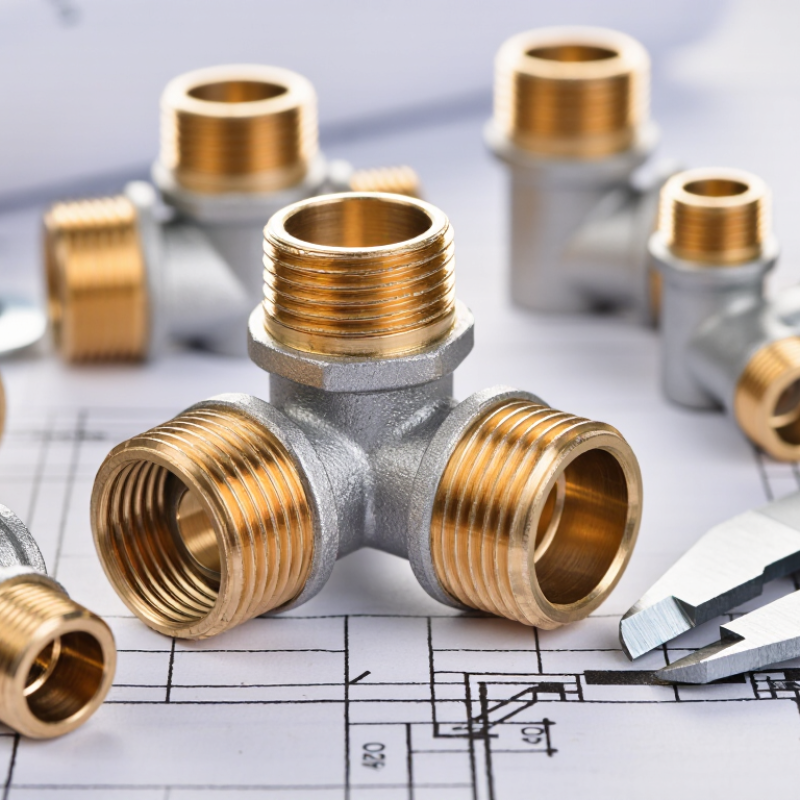
Brass Pipe Composition and Common Types
Brass pipe is made mainly from copper and zinc. The proportions vary by alloy and intended use. Some plumbing alloys also include small amounts of other elements to improve strength or machinability. Lead-free brass is available for potable-water applications, but check the product specification rather than relying on its appearance. Small differences matter. They can affect corrosion resistance, ease of joining, and suitability for a particular water system.
Common types include red brass, yellow brass, and lead-free brass. Red brass contains more copper and is often selected where corrosion resistance is important. Yellow brass typically has more zinc and is common in fittings and general plumbing components. Lead-free alloys are designed for water-contact applications where reduced lead content is required. Brass also appears as rigid threaded pipe, short nipples, and smaller-diameter tubing. These terms are not interchangeable: pipe and tube can use different sizing conventions. At a workbench, matching threads and checking wall thickness can prevent a frustrating mismatch. Color alone is a poor guide. I would compare the alloy, dimensions, and stated application before choosing; even a familiar-looking piece may not fit the job.
Why Choose Brass Pipe for Plumbing Projects?
Brass Pipe Composition and Common Alloy Types
Brass is valued in plumbing for its workability and corrosion resistance. This chart compares nominal compositions: C26000 cartridge brass, C36000 free-cutting brass, and C46400 naval brass. “Other additions” represents lead in C36000 and tin in C46400. Actual specifications can vary; check applicable potable-water and lead-content requirements when selecting plumbing materials.
Key Properties of Brass in Plumbing Systems
Brass combines strength, formability, and corrosion resistance, making it useful for valves, fittings, and connectors. Its copper-zinc structure can withstand routine handling and installation torque without being as brittle as some alternatives.
The Copper Development Association’s C26000 alloy data sheet reports thermal conductivity of about 70 Btu/(h·ft·°F). That figure describes one brass alloy, not every plumbing grade. In practice, the exact composition matters.
Water quality matters too. Brass can resist corrosion in many plumbing conditions, but it is not immune to dezincification. This process can leave weakened, porous material, especially when alloy choice and water chemistry are a poor match.
Look for a grade suited to the local supply, and check product certification for drinking-water use. The U.S. EPA defines “lead-free” plumbing surfaces as having a weighted average lead content no greater than 0.25%. A detail worth checking.
Even a robust fitting may fail early if overtightened, poorly supported, or exposed to unsuitable water.
Copper Development Association, C26000 alloy data sheet; U.S. EPA, Lead-Free Requirements for Plumbing Products.
Where Brass Pipe Is Used in Plumbing
Brass pipe is commonly found in exposed water-supply runs, fixture connections, and threaded transitions between plumbing components. Its warm, gold-colored surface can suit visible piping beneath a pedestal sink or beside a utility basin. It also resists corrosion in many ordinary plumbing conditions and can be cut and threaded for secure connections. Not everywhere.
In practice, brass is often used for short sections near shutoff valves, taps, and water heaters, while longer supply runs may use other materials. Threaded brass fittings are useful where a pipe joins a valve or fixture, especially when access for future repairs matters. Water chemistry matters: some water conditions can contribute to dezincification, which weakens certain brass alloys. Older brass may also contain lead, so confirm that new parts are suitable for drinking-water use and meet applicable local requirements. For a repair, match the pipe size, thread type, and material compatibility; a connection that looks right can still leak. That check is easy to overlook.
Advantages of Brass Compared with Other Pipe Materials
Brass is valued for threaded joints, valves, and short plumbing connections because it is strong, machinable, and less prone to rust than ordinary steel. It can also tolerate temperature changes better than many plastic fittings. The Copper Development Association’s C36000 alloy data report thermal conductivity of about 111 W/m·K. That is below copper’s, but far above typical plastics. The figure describes one brass alloy, not every plumbing product. Alloy choice matters.
Compared with copper, brass is often easier to machine and form into compact fittings; compared with PEX, it offers rigid, durable threads. But brass is not automatically the best choice.
Some alloys can lose zinc in aggressive water, and brass transfers heat more readily than plastic. ASTM B858 describes a standardized dezincification-resistance test, a useful reminder that performance depends on alloy and water conditions. Easy to overlook.
For a real installation, check the fitting’s material specification, potable-water suitability, and compatibility with nearby pipes. I would not choose by appearance alone.
Factors to Consider When Choosing Brass Pipe
Choosing brass pipe starts with its intended use. A drinking-water line needs an alloy approved for that application, not merely a brass-colored fitting. Check product documentation and applicable plumbing requirements, since alloy composition can vary. Water chemistry matters, too. Acidic or unusually aggressive water may speed corrosion, so review water-test results or ask a qualified plumbing professional before selecting material.
Match the pipe dimensions, pressure rating, and temperature limits to the system. Measure connections carefully, and confirm compatibility with valves, jointing methods, and other metals in contact. Brass is durable in many common settings, but it usually costs more than some alternatives and may dezincify under unsuitable conditions. Not magic. Think about access for future repairs: in a cramped cabinet, an accessible threaded joint may be easier to service than a concealed run. Still, convenience can look more important on paper than it proves to be. Compare total installation costs, not just the price per length, and ask how the alloy and connection method will perform with your water and operating conditions.
