





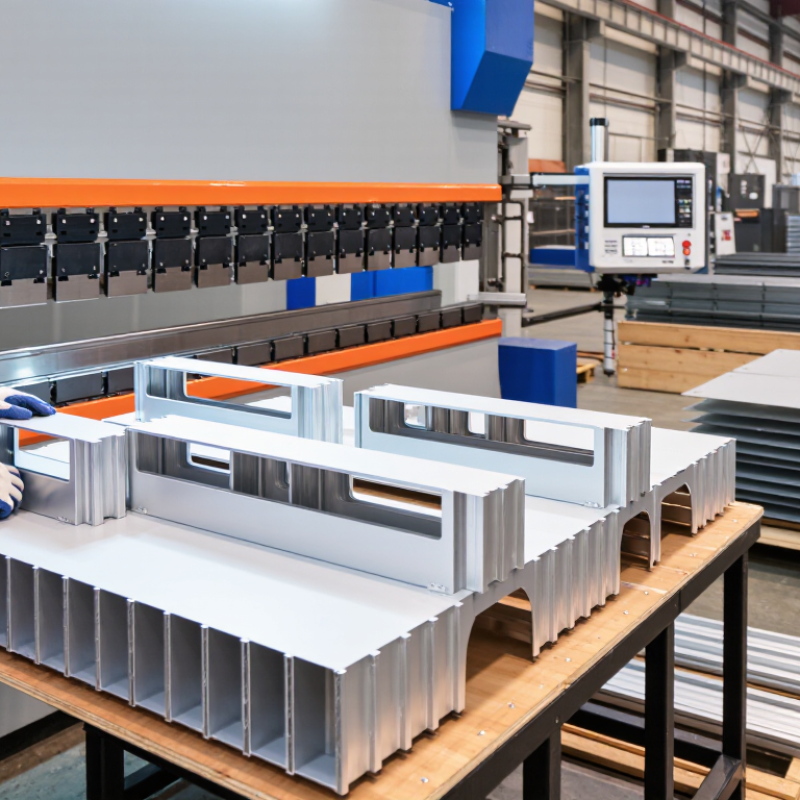
Why Choose Sheet Metal Parts for Global Sourcing?
Global steel production reached about 1.89 billion tonnes in 2023. This figure shows the scale behind sheet metal sourcing. Steel mills, service centers, and fabricators operate across many regions. Buyers can often compare material availability, lead times, and processing capacity. Sheet metal also supports practical production methods, including laser cutting, bending, punching, and welding. These processes suit enclosures, brackets, panels, frames, and other engineered parts. Standard material grades can simplify technical communication between international teams.
However, large production does not guarantee smooth sourcing. A supplier may quote quickly but struggle with tolerances or surface quality. Material certificates can also vary in detail. I have found that a clear drawing matters more than a broad request for “strong steel.” Specify thickness, grade, bend radius, finish, flatness, and inspection needs. Small omissions create expensive revisions. Sometimes, the cheapest quote becomes the slowest option.
Tips: Ask for a first-article sample before full production. Check critical dimensions with a suitable gauge. Confirm packaging for sharp edges and finished surfaces. Request traceable material records when consistency matters. Keep communication simple, with marked drawings and photographs. A minor design review can prevent major tooling changes. Be realistic about the 1.89 billion-tonne figure: it reflects total steel output, not guaranteed capacity for your part. That distinction deserves attention.

