




Essential Lab Equipment You Need for Efficient Experiments?
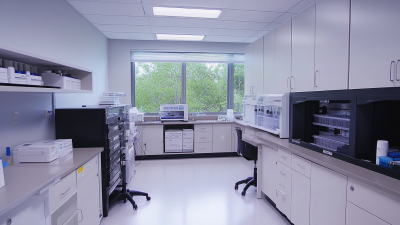
In any laboratory, having the right tools is crucial. Essential Lab Equipment can significantly impact the quality and efficiency of experiments. From beakers to pipettes, each item serves a unique purpose. For instance, precision scales ensure accurate measurements, while test tubes facilitate various chemical reactions.
However, it is important to reflect on what equipment you truly need. Sometimes, labs acquire tools that are rarely used. This can lead to clutter and waste. The focus should be on versatile items that support a range of experiments. An organized lab space is also essential for maintaining efficiency.
Ultimately, assembling the right Essential Lab Equipment requires experience and thoughtful consideration. Assess your lab’s specific needs and invest wisely. Balancing quality with utility can elevate research outcomes. Finding the perfect combination may take time, but it is a rewarding endeavor.
Essential Lab Equipment for Beginners in Scientific Research
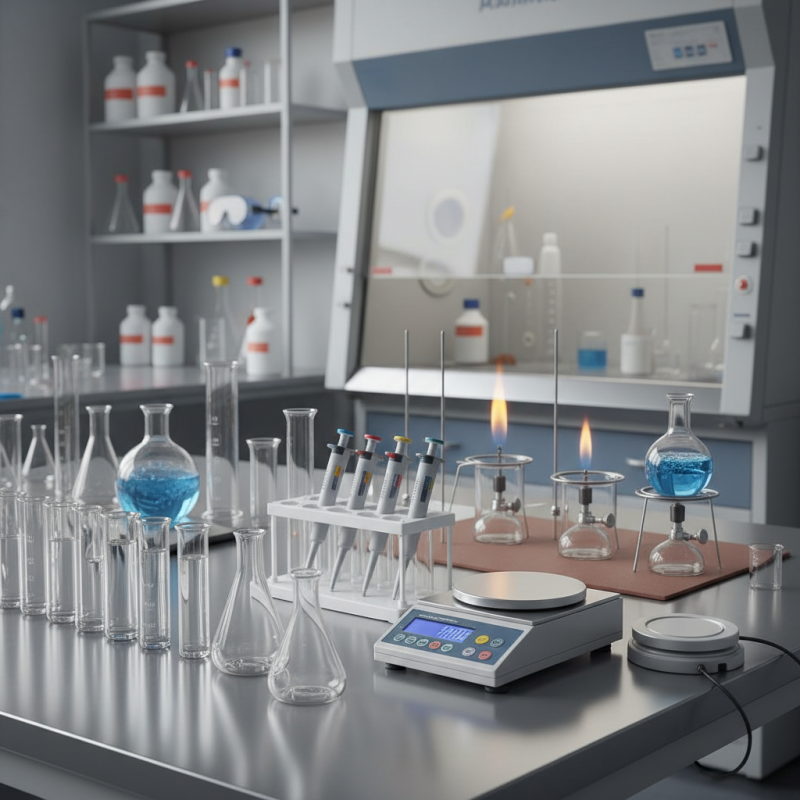
Setting up a lab for scientific research can be overwhelming, especially for beginners. Essential equipment includes pipettes, beakers, and microscopes. Each of these tools plays a vital role in experiments. Proper selection is key to achieving accurate results.
Tips: Start with fundamental tools. Consider your specific research needs before making any purchases. A simple beaker may suffice for mixing, but specialized containers enhance precision.
A lab should promote efficiency. Organization is crucial. Ensure your workspace has all necessary items within reach. It’s tempting to pile everything in one place, but clutter can hinder your focus.
Tips: Regularly assess your equipment. Identify tools that you rarely use and consider donating or replacing them. It’s a common mistake to hold onto gear that no longer serves a purpose. This reflection fosters a more effective working environment.
Key Features to Consider When Choosing Lab Equipment
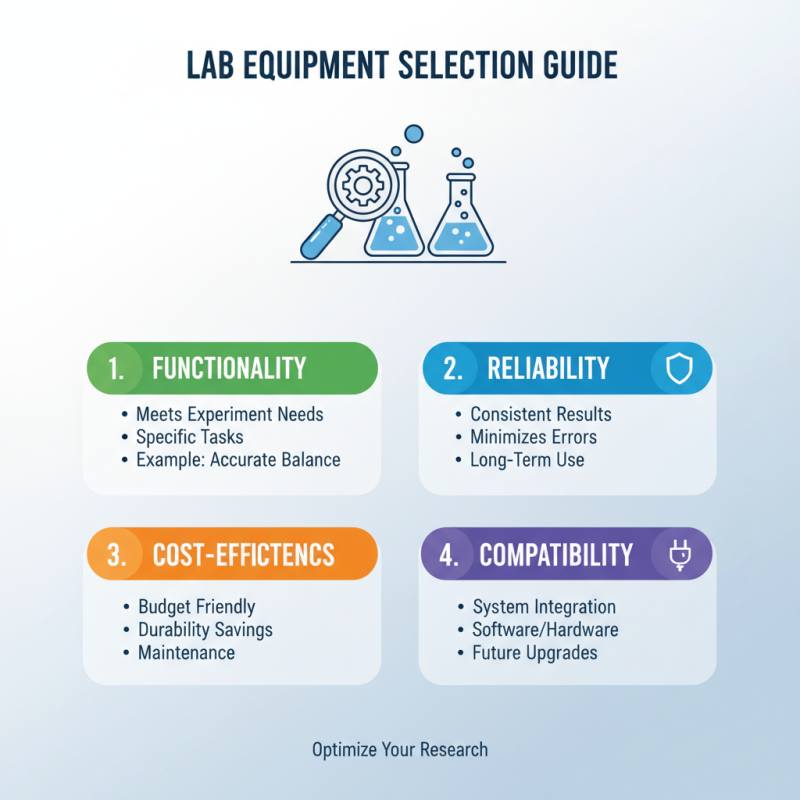
Choosing the right lab equipment is crucial for efficient experiments. Various factors play a significant role in this decision. One key feature to consider is functionality. Each piece of equipment should meet specific experimental needs. For instance, a reliable balance is essential for accurate measurements. It ensures consistency in results, impacting overall research quality.
Another important aspect is durability. Lab equipment often undergoes rigorous use. You want tools that can withstand wear and tear. Look for materials that resist corrosion and damage, especially in chemical labs. Maintenance is another point to think about. Equipment should require minimal upkeep. This saves time and resources in the long run.
Consider safety features as well. Reliable equipment should have built-in safeguards. This helps prevent accidents during experiments. Think about ease of use. Complicated machinery can lead to errors. User-friendly devices minimize confusion. Always prioritize equipment that enhances efficiency while ensuring the well-being of everyone in the lab. Even with careful selection, unforeseen challenges may arise. It’s important to regularly assess equipment performance and make necessary adjustments.
Common Laboratory Instruments and Their Uses
Laboratories require specific instruments to carry out experiments efficiently. Common laboratory equipment includes pipettes, balances, and centrifuges. Each tool serves a unique purpose in research and analysis. For instance, pipettes measure and transfer small volumes of liquid accurately. This precision is crucial for preparing samples in chemical analyses.
Balances are essential for measuring mass. They range from simple mechanical scales to advanced digital balances. Ensuring calibration is important for accuracy. Many experiments rely on precise measurements. A poorly calibrated balance can lead to unreliable results.
Centrifuges separate substances within a sample based on density. This technique is vital in fields like biochemistry. Users should monitor the speed and duration of the centrifugation to avoid damaging samples.
**Tip:** Regular maintenance prevents unexpected breakdowns. Always check equipment before starting experiments.
Choosing the right equipment enhances the efficacy of your work. Investing in quality tools can minimize errors. However, remember that even the best instruments have limitations. It's crucial to understand their capacities and to reflect on the results they produce.
**Tip:** After experiments, always review your data critically. Look for inconsistencies that might indicate issues with your equipment or methods.
Essential Lab Equipment You Need for Efficient Experiments
| Equipment | Purpose | Common Uses | Notes |
|---|---|---|---|
| Pipette | Transferring liquids | Biological samples, reagents | Available in various volumes |
| Beaker | Mixing and heating solutions | Chemical reactions, dilutions | Not for precise measurements |
| Bunsen Burner | Providing heat | Sterilizing equipment | Requires gas connection |
| Centrifuge | Separating mixtures | Cell or plasma separation | Different speeds for various applications |
| Microscope | Magnifying small objects | Cell structure analysis | Various types available (light, electron) |
Safety Equipment Every Lab Should Have
Safety equipment is crucial in any laboratory setting. According to the National Safety Council, more than 500,000 laboratory accidents occur annually in the United States. Protective gear can significantly reduce these incidents. Eye protection, gloves, and lab coats are essential. Each item plays a vital role in safeguarding individuals from chemical splashes and sharp objects.
Respirators and fume hoods are also critical. They help in managing harmful vapors and airborne particles. A survey conducted by the American Chemical Society found that over 90% of labs lacked adequate ventilation. This oversight raises serious health concerns. Regular training on equipment use can further enhance safety. Yet, many labs overlook this aspect. Continuous education is key to instilling a safety culture.
Lastly, having accessible eyewash stations and fire extinguishers is non-negotiable. The Occupational Safety and Health Administration mandates their presence. However, compliance is inconsistent. Periodic checks ensure these units are functional. It is alarming that a significant number of labs do not conduct these checks regularly. Emphasizing proper safety protocols will help mitigate risks and create a more secure environment.
Essential Lab Equipment for Efficient Experiments
Maintenance Tips for Ensuring Longevity of Lab Instruments
Proper maintenance of lab instruments is crucial for their longevity and efficiency. Regular calibration and cleaning are essential. According to a study by the National Institute of Standards and Technology, improper maintenance leads to a 25% decrease in equipment lifespan. Regular checks can help identify issues before they escalate, saving both time and costs.
Instrument calibration should occur at predefined intervals, based on usage frequency. For example, frequently used pipettes should be calibrated every three months. Keeping records of maintenance can help in tracking performance data over time. Additionally, a clean workspace minimizes contamination risk, enhancing experiment reliability.
Failing to address minor issues can spiral into more significant problems. A simple cracked lens on a microscope may result in inaccurate results. Ignoring it often leads to costly repairs. Ensuring proper storage for sensitive instruments can prevent environmental damage. A survey by the American Laboratory published that 40% of lab managers report issues stemming from poor storage practices. Proper attention to details in maintenance ensures that experiments remain efficient and reliable.
Related Posts
-
Maximizing Laboratory Efficiency with Cutting Edge Lab Instruments for Enhanced Research Productivity
-
Top 10 Manufacturers of Scientific and Laboratory Equipment in China at the 137th Canton Fair
-
Real World Applications of Small Lab Equipment and Their Role in Innovative Research
-
Maximizing Efficiency with Advanced Lab Equipment for Enhanced Research Outcomes
-
Essential Laboratory Tools for Accurate Scientific Experimentation Techniques
-
How to Choose the Right Lab Equipment for Your Scientific Needs