





2026 How to Choose the Best Soccer Back Brace?
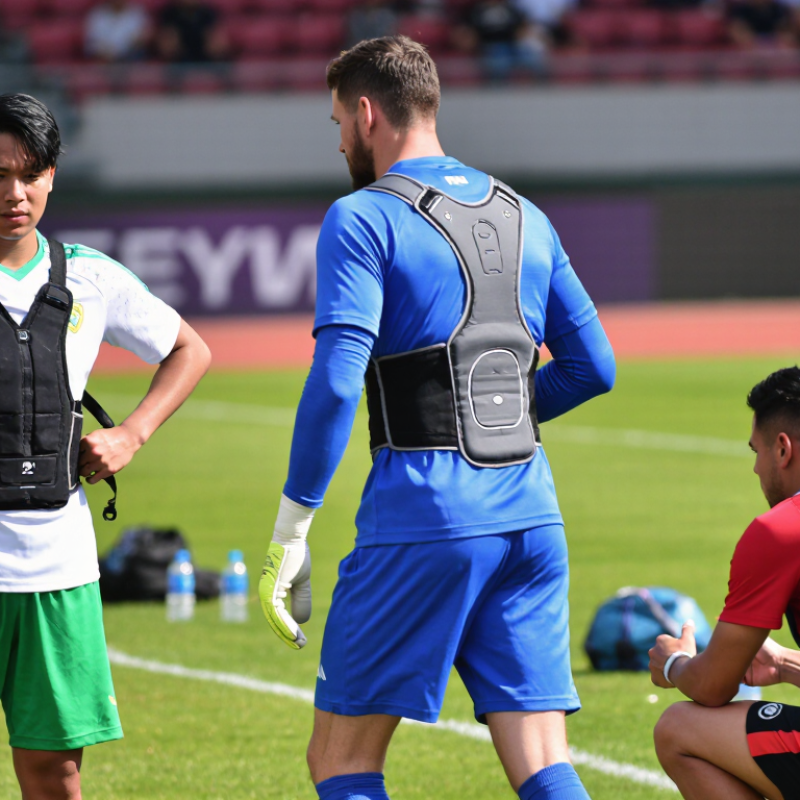
A soccer back brace should support movement, not simply compress your waist. The UEFA Elite Club Injury Study reports about eight injuries per 1,000 player-hours, with match injuries occurring far more often than training injuries. This figure does not prove a brace prevents injury. It shows why fit and movement deserve careful testing. Look for firm support around the lower back, soft edges, and adjustable tension. When standing, the brace should feel secure without forcing your spine into one position.
Test it during realistic actions. Jog, sprint, rotate, bend, and kick with the brace fitted. Your hips should move freely. Your breathing should remain easy. A rigid panel may feel protective during contact, yet restrict rotation during a quick turn. That trade-off is easy to miss. I would not trust one laboratory claim as a universal answer. Comfort changes with sweat, match length, and body shape. Stop using the brace if you notice numbness, tingling, skin color changes, or increasing pain. Seek qualified medical advice after a significant collision.
Tips: Wear the brace over a thin, moisture-wicking layer. Check whether it slides during repeated sprints. Sit, tie your boots, and raise one knee. If the brace digs into your ribs or pelvis, reconsider the size or design. Wash it according to the care instructions, because stretched materials can reduce reliable support.

