





Why is Autoclave Vessel Important in Sterilization Processes?
The Autoclave Vessel plays a crucial role in sterilization processes. It ensures that items are free from harmful microorganisms. This process is essential in various fields, including medical, pharmaceutical, and laboratory settings.
Using steam under pressure, the Autoclave Vessel achieves high temperatures. This heat effectively destroys bacteria and spores. However, not all items are suitable for autoclaving. Materials like certain plastics may melt or degrade. Careful selection is needed to avoid damage.
Moreover, the effectiveness of sterilization depends on proper usage. Overloading the Autoclave Vessel can lead to incomplete sterilization. Users must also ensure that the air is fully expelled from the chamber. These details matter in achieving reliable results. Mistakes can compromise safety and effectiveness, highlighting the need for diligence in sterilization practices.
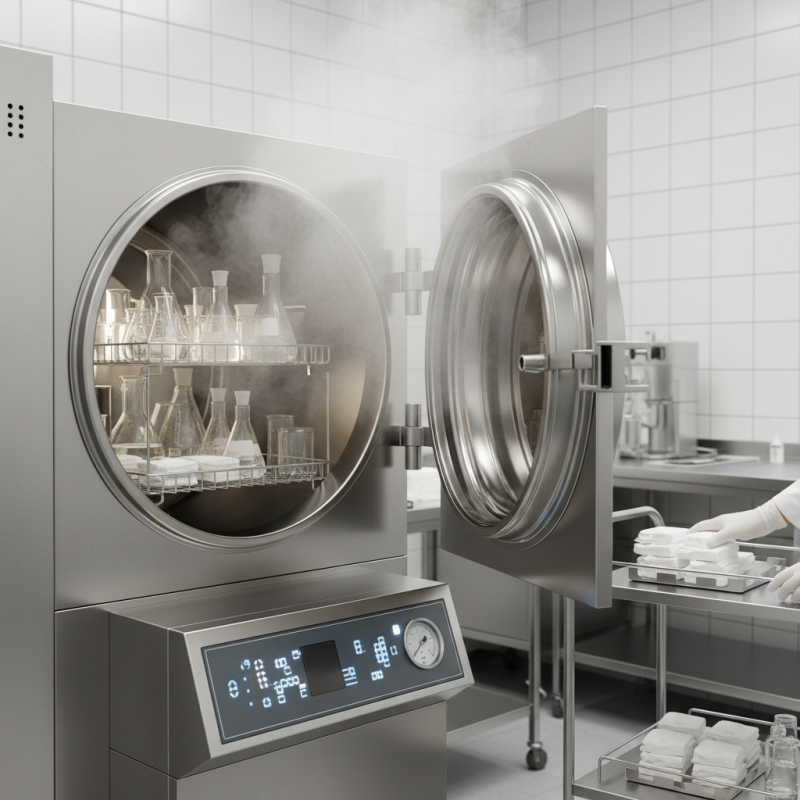
Importance of Autoclave Vessels in Sterilization Processes
Autoclave vessels play a crucial role in sterilization processes. These robust containers use steam and pressure to eliminate microorganisms. Their design allows for efficient heat transfer, ensuring that all surfaces are effectively sterilized. Properly utilizing autoclave vessels minimizes health risks in medical and laboratory settings.
Tip: Regularly check the seals and gaskets on your autoclave. Damaged seals can lead to steam leaks, compromising sterilization.
It is essential to monitor the temperature and pressure readings during each cycle. Inadequate conditions may result in ineffective sterilization. Operators should be trained to recognize signs of malfunction. This prevents costly mistakes and ensures safety.
Tip: Document each sterilization cycle meticulously. Keeping accurate records helps identify trends and potential issues over time.
Using autoclave vessels correctly requires attention to detail. Each load must be appropriately packed to allow steam penetration. Overloading can lead to uneven sterilization, leaving some items questionable for use. Regular reviews of protocols can enhance effectiveness and safety.
How Autoclave Vessels Function in Sterilization
Autoclave vessels play a critical role in sterilization processes. They utilize high-pressure steam to eliminate microorganisms effectively. This method ensures that medical instruments and laboratory equipment are safe for use. According to the World Health Organization, over 11% of infections can be traced to inadequate sterilization practices. Autoclaves operate at temperatures typically reaching 121 degrees Celsius. This heat, paired with pressure, penetrates porous materials, ensuring complete sterilization.
The operation of an autoclave vessel is straightforward yet vital. As the steam enters the chamber, it forces out air, creating a vacuum. This process enhances steam penetration. Studies indicate that a standard cycle can take 15 to 30 minutes, depending on the load. However, not all materials withstand such environments. Some plastics and chemicals may degrade under high heat. It is vital to verify what materials are autoclave-safe.
Not only do autoclaves require regular maintenance, but their effectiveness can vary. If not monitored, microbiological contamination can occur. Periodic validation checks are necessary to confirm performance against industry standards. In a recent analysis, almost 30% of facilities reported inconsistencies in sterilization outcomes. This prompts a reevaluation of operational protocols. Effective training and rigorous checks are essential to maintaining safety and efficiency in sterilization practices.
Types of Autoclave Vessels and Their Applications
Autoclave vessels play a critical role in sterilization within various industries, especially healthcare and food production. Their ability to generate high-pressure steam ensures effective microbial kill rates. According to the World Health Organization (WHO), proper sterilization can reduce healthcare-associated infections by over 30%. This statistic highlights the significance of using effective autoclave vessels.
There are different types of autoclave vessels designed for specific purposes. Gravity displacement autoclaves, for example, use gravity to allow steam to displace air. This type is commonly used in laboratories for sterilizing glassware. In contrast, prevacuum autoclaves draw out air before steam enters. They are ideal for dense loads and porous materials. A study published in the Journal of Hospital Infection highlighted that using the right autoclave type can improve sterilization penetration by up to 50%.
However, not all autoclave processes are flawless. Inconsistent loading can lead to sterilization failures. A survey by the American Society for Microbiology indicated that nearly 12% of healthcare facilities experienced sterility breaches due to improper loading techniques. This underlines the need for continuous training in sterilization protocols, ensuring efficacy in every application.
Key Factors for Effective Sterilization using Autoclaves
Autoclaves play a crucial role in sterilization processes. They use high-pressure steam to kill bacteria, viruses, and other pathogens. However, several key factors determine the effectiveness of sterilization using autoclaves.
Temperature and pressure are vital. Ensure the autoclave reaches the required temperature of 121°C (250°F) or higher. Also, maintaining the right pressure is essential for effective sterilization. Inadequate pressure may lead to incomplete sterilization. Remember, time matters too. Standard cycles usually last around 15 to 30 minutes, depending on the load and type of material.
**Tip:** Always validate the autoclave's performance. Regularly use biological indicators to test its efficiency. It’s easy to overlook this step, but negligence could compromise sterilization effectiveness.
Another factor is load configuration. Overloading can obstruct steam penetration. A well-arranged load allows steam to circulate freely. Use perforated trays to enhance exposure.
**Tip:** Avoid using sealed containers without venting. Trapped air can prevent steam from reaching surfaces. This common mistake can lead to failures in sterilization. Stay vigilant and ensure your practices align with sterilization standards.
Why is Autoclave Vessel Important in Sterilization Processes? - Key Factors for Effective Sterilization using Autoclaves
| Key Factors | Description | Importance |
|---|---|---|
| Temperature | The heat required to kill microorganisms. | Critical for effective sterilization; typically 121°C or higher. |
| Pressure | Increased pressure allows for higher temperatures. | Essential for enhancing the sterilization process efficiency. |
| Time | Duration of exposure at sterilization conditions. | Long enough exposure ensures complete sterilization. |
| Load Configuration | Arrangement and type of items being sterilized. | Affects how steam penetrates and sterilizes all surfaces. |
| Validation | Documented proof of sterilization effectiveness. | Ensures reliability and compliance with standards. |
Safety and Maintenance of Autoclave Vessels in Laboratories
Autoclave vessels are vital in laboratories. Their importance cannot be overstated, especially concerning safety and maintenance. Properly maintained autoclaves ensure effective sterilization. Any lapses can lead to contamination. This could jeopardize experiments and research outcomes.
Always adhere to safety protocols when using autoclaves. Regular inspections are crucial. Check seals, gaskets, and valves for wear. A small crack can lead to failures. Unexpected leaks pose risks to users. It’s easy to overlook these details, but that oversight could cause harm. Ensure your team understands correct loading procedures too. Overloading can prevent steam from reaching all surfaces.
Tips: Keep a maintenance log for your autoclave. Document every inspection and repair. This transparency aids in identifying recurring issues. Consider creating a checklist for daily use. Simple steps can prevent larger problems down the line. Remember, a neglected autoclave can compromise your entire lab. Be vigilant and prioritize regular maintenance.
