





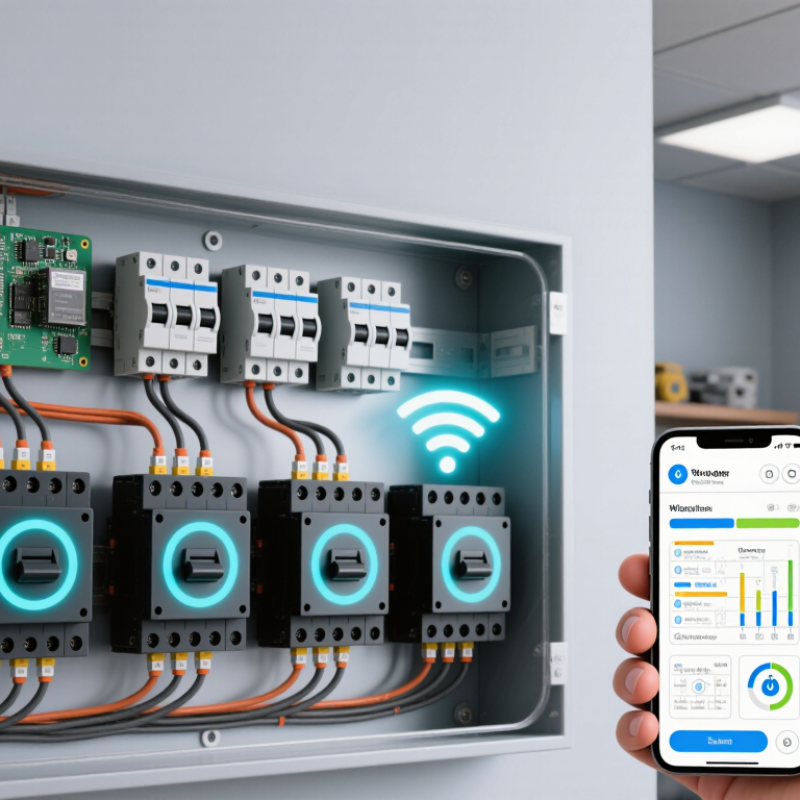
A smart Wi-Fi circuit breaker combines electrical protection with remote monitoring. Sensors measure current and, in some models, temperature or voltage. When current exceeds a safe limit, its trip mechanism opens the circuit. That can stop an overload or short circuit. Models with arc-fault or ground-fault detection look for additional warning patterns. These features vary; Wi-Fi alone does not add them. Not magic.
The National Fire Protection Association’s 2022 report on home fires involving electrical distribution or lighting equipment estimated about 24,000 such fires annually in U.S. homes from 2015 to 2019. They caused an average of 310 civilian deaths and 850 injuries each year. A smart breaker may report unusual readings or a trip to an app, helping occupants notice trouble sooner. But an alert is not a diagnosis, and no connected device prevents every fire. A qualified electrician should investigate repeated trips, warm panels, or a burning smell.
Tips: Check the breaker’s rated protection before installation. Keep the panel cover closed, and never ignore a trip just to restore power. If alerts recur, unplug the affected device and arrange an inspection.

