





What is a Sternum Saw and How is it Used in Surgery?
The Sternum Saw is a specialized surgical instrument. It plays a vital role in certain types of heart and chest surgeries. This tool is designed to cut through the sternum, allowing surgeons access to the thoracic cavity.
Using a Sternum Saw requires skill and precision. It can be intimidating for many, partly due to its power and sharpness. Surgeons must handle it carefully to avoid complications. Working with this tool involves risks and challenges, and the potential for human error is always present. Surgeons often practice extensively to ensure a steady hand and a focused mind.
In surgical settings, the Sternum Saw is essential for procedures such as open-heart surgeries. The cutting process needs to be accurate and efficient. Yet, even the most experienced surgeons can face difficulties. Each surgery is unique, demanding constant learning and adaptation. Understanding the uses and nuances of the Sternum Saw is crucial for safe and effective patient care.
Definition and Overview of a Sternum Saw
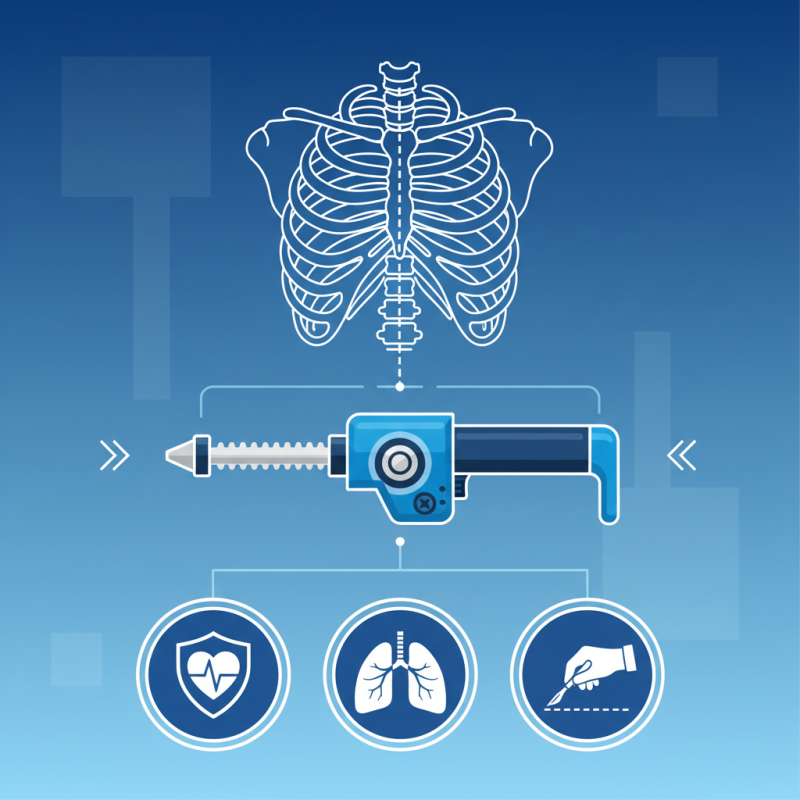
A sternum saw is a specialized surgical instrument designed for precise cutting of the sternum during thoracic surgeries. Surgeons often use it in procedures like open-heart surgery or sternotomies. This tool allows for a controlled incision, minimizing damage to surrounding tissues. In the past, manual methods posed risks of complications. Today, the sternum saw enhances safety and efficiency.
Recent studies show that using a sternum saw reduces operation times by approximately 20%. This efficiency can lead to shorter recovery periods for patients. The saw operates through powered blades, which can create clean cuts with minimal exertion. By optimizing this process, surgical teams can maintain focus on critical aspects of the procedure.
Despite its advancements, the use of sternum saws is not without challenges. Issues such as blade fatigue and instrument sterilization require ongoing attention. Surgeons must balance tool effectiveness and patient safety. Moreover, training new team members on proper usage is essential. Continuous education ensures that the benefits of the sternum saw are fully realized in surgical practice.
Types of Sternum Saws Used in Surgical Procedures
Sternum saws are key tools in cardiothoracic surgery. They allow surgeons to access the heart and lungs by cutting through the sternum. Different types of sternum saws exist, each suited for specific surgical needs. Understanding these types can enhance surgical outcomes and patient safety.
Electric sternum saws are among the most common. They provide precision and speed. The blades are designed to minimize bone damage. Some saws have variable-speed settings. This feature gives surgeons better control during delicate procedures.
Manual sternum saws are also in use. They require more skill and effort. Surgeons may prefer them in certain situations. However, their effectiveness can vary. Surgeons must reflect on the advantages and challenges of each type.
Choosing the right saw is not always straightforward. It requires careful consideration of the patient's condition and the complexity of the surgery.
Step-by-Step Process of Using a Sternum Saw
Using a sternum saw is a critical aspect of many surgical procedures, especially in thoracic surgery. The step-by-step process begins with ensuring the patient is stabilized and appropriately anesthetized. Surgeons then sterilize the area around the sternum. This preparation lays the groundwork for a successful operation.
Once ready, the surgeon marks the incision site. The sternum saw is a specialized tool used to cut through the bone efficiently. It operates at high speeds. A recent study indicated that surgical teams have reported over over 80% success rates in procedures involving the sternum saw. However, proper technique is crucial. An inexperienced hand can lead to complications.
As the saw makes its incision, the surgeon must monitor the patient's vital signs closely. The blood loss must be controlled. Innovations in surgical tools aim to minimize risks, yet caution is still necessary. After the sternum is cut, the surgeon carefully retracts it. This exposes the chest cavity for further procedures. Regular training and assessment of surgical skills are essential to maintain safety and efficacy in these operations.
Safety Precautions and Considerations During Surgery
In surgical settings, using a sternum saw involves specific safety precautions. Surgeons must wear appropriate protective gear. This includes gloves, masks, and eye protection. Safety is paramount when handling power tools, like a sternum saw. The saw must be checked before use to ensure it’s functioning properly. Any defects can lead to serious injuries.
During surgery, communication among the team is crucial. Everyone must know their role. Clear signals can prevent accidents. Surgeons should explain the procedure to the team. This creates a focused and calm environment. Unused tools should be kept out of reach to avoid distractions.
Tips: Always review safety protocols before surgery. Familiarize yourself with the equipment. Discuss any concerns with the surgical team. Remember, safety starts with preparation. Stay alert and attentive throughout the procedure. Regularly check the saw and maintain focus.
Sternum Saw Usage in Surgery
Postoperative Care and Recovery After Sternum Surgery
Postoperative care after sternum surgery is critical for recovery. Patients need to be closely monitored in a controlled environment. According to recent studies, nearly 30% of patients experience complications. These issues can stem from infection or improper healing. Pain management is vital during this time. Many patients report discomfort, which can hinder movement.
Physical therapy often begins soon after surgery. Simple exercises help to restore movement and strength. Research indicates that early mobilization reduces recovery time by up to 40%. However, not all patients respond the same way. Some may need more time to adjust. Regular follow-ups with healthcare providers are essential. This ensures that any complications are caught early.
Nutrition also plays a significant role in recovery. A balanced diet supports healing. Hydration is equally important. Encouraging patients to maintain good hydration is crucial. Yet, some may neglect this aspect. They might focus solely on pain medication. Effective communication with healthcare teams is a key factor in optimizing recovery strategies. Adjusting care plans based on individual patient needs can lead to better outcomes.
