





Top Tips for Choosing the Right Reclining Wheelchair?
Choosing the right Reclining Wheelchair can be a daunting task. It's essential to find one that meets specific needs. A reclining wheelchair provides support and comfort. For many, it can mean the difference between independence and reliance.
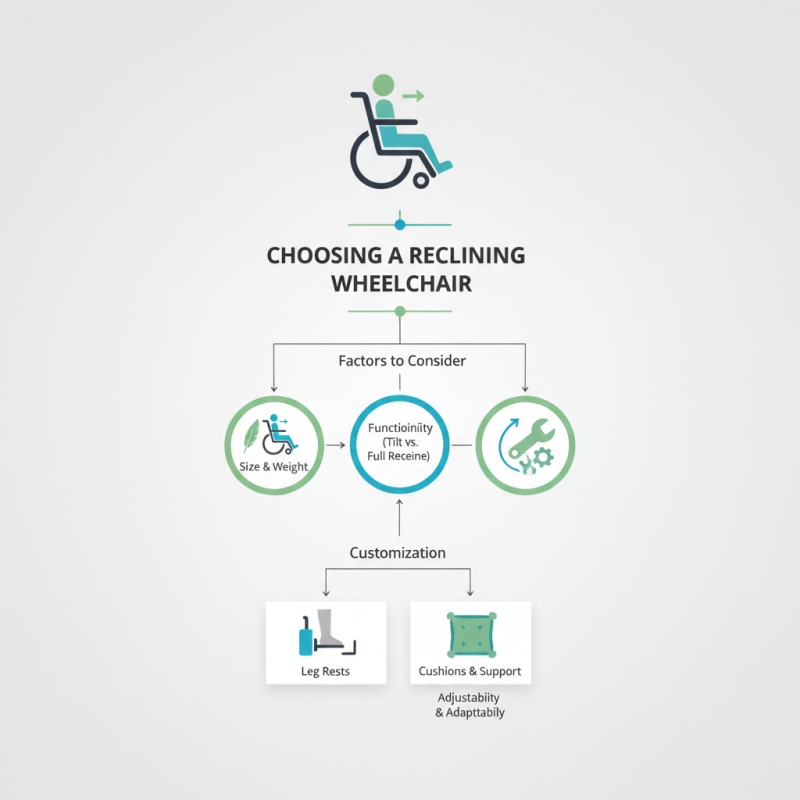
Consider factors like size, weight, and functionality. A lightweight model is easier to transport. However, heavier options may offer better durability. Some wheelchairs recline fully, while others only tilt. Determining the level of recline needed is crucial. Options vary widely, which can make the decision process overwhelming.
Don't overlook the importance of customization. Features like leg rests and cushions can enhance comfort. It's also wise to evaluate the wheelchair's adjustability over time. This ensures it can adapt as needs change. Ultimately, choosing the right reclining wheelchair is a personal journey. Take time to reflect on individual requirements and preferences. The perfect fit is out there, waiting to be discovered.
Understanding the Benefits of Reclining Wheelchairs
Reclining wheelchairs offer unique benefits for users. They provide essential comfort and support. Many individuals find relief from pressure sores. The ability to recline helps improve circulation. This can be especially important for those with limited mobility. Increased blood flow promotes healing and reduces discomfort.
Comfort is just one aspect to consider. Users may also enjoy the therapeutic benefits of reclining. It allows for different seating positions. Some might prefer a more upright angle, while others relax entirely. Finding the right angle can be vital for personal comfort. However, users should be mindful of potential back strain with extended use.
Choosing the right reclining wheelchair requires thought. Not all models fit every need. Some may feel bulky or awkward. It’s essential to consider space and maneuverability. Reflecting on personal habits can guide choices. Take time to explore options and speak to healthcare professionals. They can offer valuable insights. Ultimately, a well-suited reclining wheelchair can enhance daily life significantly.
Key Features to Consider When Selecting a Reclining Wheelchair
When selecting a reclining wheelchair, certain key features are essential. Comfort should be your top priority. Look for seats with ample cushioning. Adjustable footrests can enhance comfort and support. The reclining mechanism should be easy to operate. If it’s too complicated, it may discourage regular use.
Consider the wheelchair's weight and portability. A lighter model is easier to maneuver. However, sometimes lightweight frames lack durability. It’s a balance that needs thoughtful consideration. Armrests should be adjustable too; this feature allows better positioning and support. If the armrests are too low or fixed, it can lead to discomfort over time.
Don’t overlook the adjustments for height and tilt. These can greatly affect ergonomics. Try to find a model that suits your specific physical needs. Also, check the wheelchair's width. A snug fit may offer better support, but an overly tight fit can lead to circulation issues. Reflect on the importance of safety features such as brakes. They are crucial for stability when using the reclining function.
Assessing User Needs for Optimal Comfort and Mobility
When choosing a reclining wheelchair, user needs are paramount. Comfort and mobility go hand in hand. A recent study indicates that over 70% of users report discomfort while seated for long periods. Proper assessment of posture and support is essential. The right wheelchair can alleviate pain and prevent pressure sores, which affect nearly 25% of long-term wheelchair users.
Mobility concerns also play a critical role. According to research, about 60% of individuals using wheelchairs face mobility challenges that can diminish their independence. Features like adjustable backrests and footrests can significantly enhance mobility. They enable users to shift weight and reduce strain during long-term use. It's vital to measure user height and weight accurately. A poor fit can lead to unnecessary complications.
Additionally, feedback from healthcare professionals stresses the importance of tailoring wheelchairs to individual needs. Not all models offer the same degree of recline or support. Evaluating specific user preferences, such as desired reclining angles, may require trial and error. A comfortable user experience is not one-size-fits-all. It often demands ongoing assessment and adjustments based on usage patterns.
Evaluating Size, Weight, and Portability Factors
Choosing the right reclining wheelchair involves several factors, notably size, weight, and portability. The design of a wheelchair greatly affects its usability, especially for those who require special support. According to recent industry studies, approximately 70% of wheelchair users prioritize comfort alongside adjustability. Comfort largely depends on how well the chair fits the user's dimensions.
Weight is another critical consideration. A standard reclining wheelchair weighs between 40 to 60 pounds. For individuals who need to transport their chairs frequently, lighter models are preferred. Reports suggest that wheelchairs weighing 30 pounds or less can enhance user mobility, reducing strain during transfers. Portability can be a challenge for heavier chairs. Therefore, understanding the specific needs and the user’s physical capabilities is essential.
Many users overlook practical details. An adjustment feature that lacks ease of use can frustrate daily life. Furthermore, measuring doorways and storage spaces may be neglected. These factors can limit the functionality of a wheelchair. It’s vital to reassess needs regularly. Life changes can shift requirements for mobility aids dramatically. A chair that fits now might not suit future needs. Careful consideration and foresight are essential in making the right choice.
Top Tips for Choosing the Right Reclining Wheelchair
| Feature | Importance | Best Range/Recommendation |
|---|---|---|
| Seat Width | Crucial for comfort and fit | 16" to 20" |
| Weight Capacity | Important for durability and safety | Up to 300 lbs |
| Recline Angle | Affects comfort and usability | 30 to 45 degrees |
| Weight of Wheelchair | Key for portability | Under 50 lbs preferred |
| Foldability | Essential for storage and transport | Compact fold design |
| Footrest Adjustability | Improves comfort for users | Height adjustable |
| Wheels Type | Affects maneuverability | Solid or pneumatic for choice |
Finding the Right Balance Between Price and Quality
Choosing the right reclining wheelchair can be tricky. Price and quality often clash. You may find cheaper options, but they might lack essential features. Quality is crucial for comfort and support. A low price can sometimes mean less durability.
When looking for the balance, consider your needs. Will you use it daily? Durability matters more if you're active. Sometimes, we compromise on comfort for cost. This can lead to discomfort, which must be avoided. Optimal support should be prioritized over savings.
Check reviews or get feedback from users. They’ll offer insights on how products hold up in real life. A wheelchair is an investment in your well-being. So, it’s wise to reflect on what truly matters. Functionality should never be sacrificed for a bargain.
