





Top 10 Used Paver Machines for Sale Worldwide
Choosing a used paver machine is not just a matter of comparing prices. The right choice depends on the work ahead, from narrow urban streets to long highway sections. A machine that performs well on one project may be a poor fit for another.
This guide introduces ten used paver machines available in markets around the world. It considers practical factors such as paving width, engine hours, screed condition, service history, parts availability, and operator support. These details help buyers look beyond polished photographs and seller descriptions. Condition matters most. Hours alone do not tell the whole story.
A careful inspection can reveal wear that a listing does not show. Check the conveyor, augers, tracks or tires, controls, and heating system where applicable. Ask for maintenance records and, if possible, see the machine operating. Even a well-known model can require costly repairs if it has been neglected. That detail counts.
The phrase “Uesd Paver” may appear in online searches, but buyers should verify the actual machine, specifications, and documentation before making a decision. Availability and pricing vary by region, and no single ranking suits every contractor. The models featured here offer a starting point for comparison, not a substitute for an independent inspection. Used equipment always involves trade-offs. Look closely, ask clear questions, and match the machine to your paving needs.
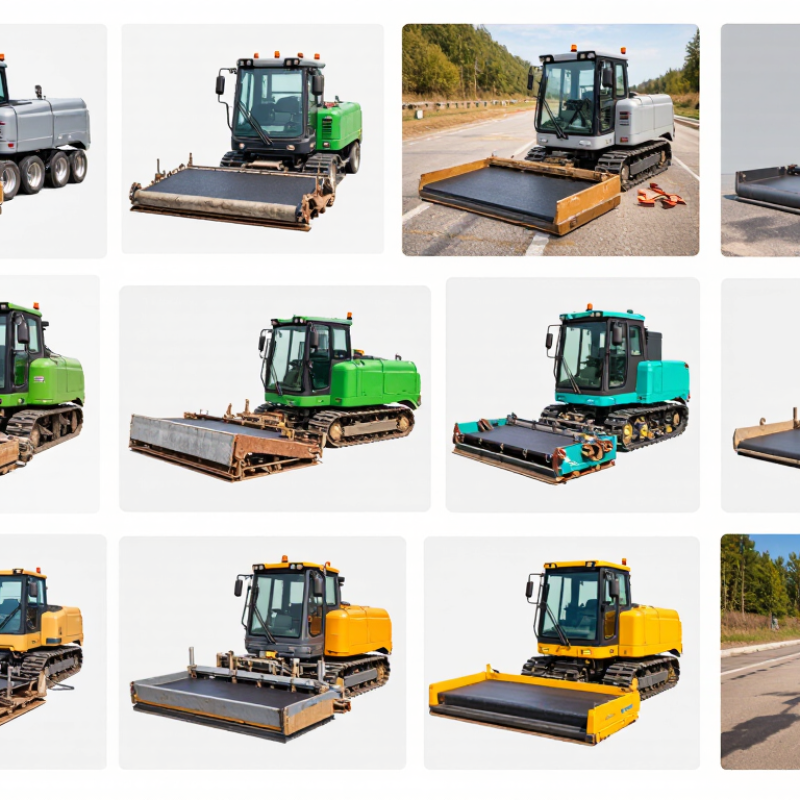
Define Used Paver Types: Asphalt, Concrete, and Slipform Machines
Used paver listings cover several machine types, and the label “paver” can hide important differences. Asphalt pavers spread hot mix across roads and parking areas, using a screed to shape the mat. Concrete pavers place and finish concrete for slabs, streets, or industrial surfaces. Slipform machines shape concrete continuously through moving forms, making them useful for long, uniform runs. They are related, but not interchangeable. Details matter.
When comparing used paver machines for sale worldwide, match each machine to the material, paving width, and job scale. Check screed heating and extension functions on asphalt units. On concrete equipment, inspect vibration systems, forming components, and wear at contact points. For slipform units, review track condition, steering response, and mold setup. Ask for service records and a cold-start demonstration where possible. Photos help, but they can miss leaks, uneven vibration, or tired hydraulics. Even careful checks leave uncertainty.
Tips: Compare operating hours with maintenance records, then inspect the machine under load if practical. Bring a technician familiar with paving equipment. A low asking price may still lead to costly repairs.
| No. | Paver Type | Typical Used-Market Profile | Typical Paving Width | Typical Engine Power | Typical Operating Hours | Indicative Asking Price (USD) | Common Market Regions | Typical Condition Notes |
|---|---|---|---|---|---|---|---|---|
| 1 | Tracked asphalt paver | Mid-size road resurfacing machine, approximately 8–15 years old | 2.5–5.0 m (8.2–16.4 ft) | 100–160 kW (134–215 hp) | 4,000–9,000 | $35,000–$120,000 | North America, Europe, Asia-Pacific | Check track wear, screed heating, augers, and conveyor condition. |
| 2 | Wheeled asphalt paver | Compact-to-mid-size machine for urban streets and smaller paving jobs | 1.7–4.5 m (5.6–14.8 ft) | 55–120 kW (74–161 hp) | 3,000–8,000 | $20,000–$85,000 | Europe, Latin America, Southeast Asia | Inspect tires, steering, hydraulic systems, and screed extensions. |
| 3 | Compact asphalt paver | Small machine suited to cycle paths, parking areas, and confined sites | 0.8–2.5 m (2.6–8.2 ft) | 20–55 kW (27–74 hp) | 1,500–6,000 | $12,000–$55,000 | Worldwide, especially urban and rental markets | Confirm the minimum paving width and availability of screed parts. |
| 4 | High-production highway asphalt paver | Large tracked machine for major roads and motorway projects | 3.0–9.0 m (9.8–29.5 ft) | 150–250 kW (201–335 hp) | 5,000–12,000 | $80,000–$250,000 | North America, Europe, Middle East | Review screed condition, material-feed components, and service records. |
| 5 | Material-transfer asphalt paver | Roadwork configuration with a high-capacity material handling system | 2.5–7.5 m (8.2–24.6 ft) | 150–250 kW (201–335 hp) | 4,000–10,000 | $90,000–$280,000 | North America, Europe, Australia | Inspect conveyors, transfer components, and controls for wear or faults. |
| 6 | Concrete slipform curb-and-gutter paver | Compact slipform machine for kerbs, gutters, and narrow concrete profiles | Profile-dependent; commonly 0.3–1.5 m (1.0–4.9 ft) | 40–100 kW (54–134 hp) | 2,000–7,000 | $35,000–$150,000 | North America, Europe, Asia-Pacific | Check mold dimensions, vibration system, and track or wheel assemblies. |
| 7 | Concrete slipform barrier paver | Specialist machine for continuous concrete safety barriers | Profile-dependent; typically around 0.5–1.5 m (1.6–4.9 ft) | 75–160 kW (101–215 hp) | 2,500–8,000 | $60,000–$220,000 | North America, Europe, Middle East | Confirm the barrier mold matches the required profile and project standard. |
| 8 | Concrete slipform paving machine | Large multi-track paver for highway, airport, and industrial slabs | 3.5–12 m (11.5–39.4 ft) | 150–300 kW (201–402 hp) | 4,000–10,000 | $150,000–$600,000 | North America, Europe, Asia-Pacific | Inspect paving frame alignment, vibrators, profile controls, and tracks. |
| 9 | Concrete curb-and-sidewalk slipform paver | Small-to-mid-size machine for sidewalks, channels, and landscape edging | Profile-dependent; commonly 0.2–1.2 m (0.7–3.9 ft) | 30–90 kW (40–121 hp) | 1,500–6,500 | $25,000–$110,000 | Europe, North America, Latin America | Check mold availability, steering response, and concrete-feed components. |
| 10 | Concrete texture-and-curing machine | Finishing unit used behind a slipform paver on concrete paving projects | 3.5–12 m (11.5–39.4 ft) | 50–150 kW (67–201 hp) | 2,000–8,000 | $40,000–$180,000 | North America, Europe, Australia | Verify spray system, texturing equipment, and compatibility with the paving train. |
| Prices and operating-hour ranges are indicative used-market estimates, not verified live listings. Actual values vary by year, configuration, condition, location, attachments, and service history. Confirm specifications and inspect each machine before purchase. Slipform paving width and profile dimensions depend on the mold and machine setup. | ||||||||

