





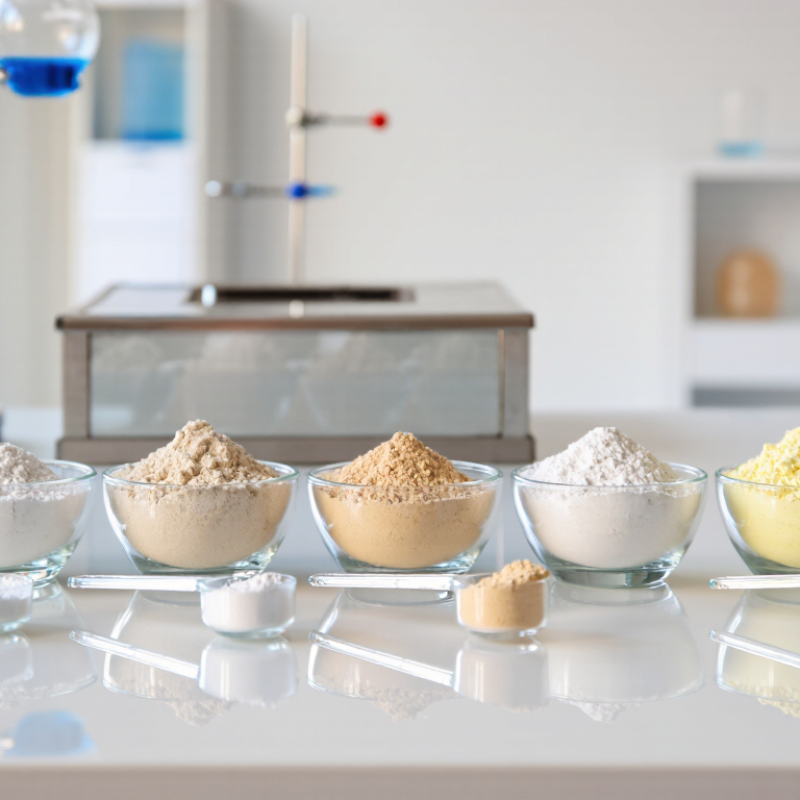
Top 10 Types of Bovine Collagen Powder for Global Buyers
How to Select Bovine Collagen Powder for Different Applications
Choosing bovine collagen powder starts with the finished product, not the marketing label. For beverages and nutrition sachets, hydrolyzed collagen peptides usually dissolve more easily. Low- to medium-molecular-weight peptides can reduce sediment and improve mouthfeel. However, smaller is not automatically better.
Type I collagen suits many beauty, protein, and general nutrition formulas. Type III may support blends designed for skin and connective tissue products. Gelatin offers useful gelling performance, but it behaves differently from hydrolyzed peptides. Native collagen, acid-soluble collagen, and enzyme-hydrolyzed collagen also require separate evaluation. Their processing methods can change solubility, viscosity, and sensory results.
Cosmetic powders need reliable purity and consistent particle size. Food applications require clear specifications for moisture, protein content, microbiological limits, and heavy metals. Buyers should request a current certificate of analysis, origin records, processing details, and batch traceability. Check solubility at the actual product’s pH and temperature. Test it in a real drink, not only in laboratory water.
Medical or specialized uses demand stricter technical review and regulatory assessment. Confirm the source, permitted claims, and documentation for each target market. I would also examine odor carefully. A mild raw-material note may become obvious after heating. Supplier audits matter. Documents can look perfect, yet small process differences still affect performance.

