





Top 10 Facial Analysis Machines for Global Buyers
Choosing the right Facial Analysis Machine requires more than comparing screens, cameras, and software features. Global buyers need dependable evidence, practical usability, and support that remains available after installation.
This guide examines ten leading systems for clinics, dermatology practices, beauty retailers, and professional training centers. Each model is considered through image clarity, measurement consistency, reporting quality, treatment planning, and operator learning time. We also examine how devices perform under different lighting conditions, skin tones, and consultation environments. A bright reception area can distort results. Small details matter.
Real-world experience often exposes weaknesses that brochures overlook. Some machines produce attractive reports but offer limited clinical depth. Others provide advanced imaging yet require expensive maintenance or extensive staff training. No device is perfect. Rankings may also change as software updates, certifications, and regional service networks develop. That deserves honest attention.
The selection process favors manufacturers with transparent specifications, documented testing, responsive technical support, and responsible data practices. Buyers should still verify local requirements, warranty terms, calibration procedures, and software compatibility before purchasing. A reliable machine should support professional judgment, not replace it. Clear images help. Skilled interpretation matters more.
Whether you are opening a new clinic or upgrading an established consultation room, this comparison aims to make evaluation more practical. Expect useful differences, not miracle claims. The best choice depends on your budget, workflow, client expectations, and long-term service needs.
Understanding Facial Analysis Machines and Their Core Functions
Top 10 Facial Analysis Machines for Global Buyers
Understanding Facial Analysis Machines and Their Core Functions
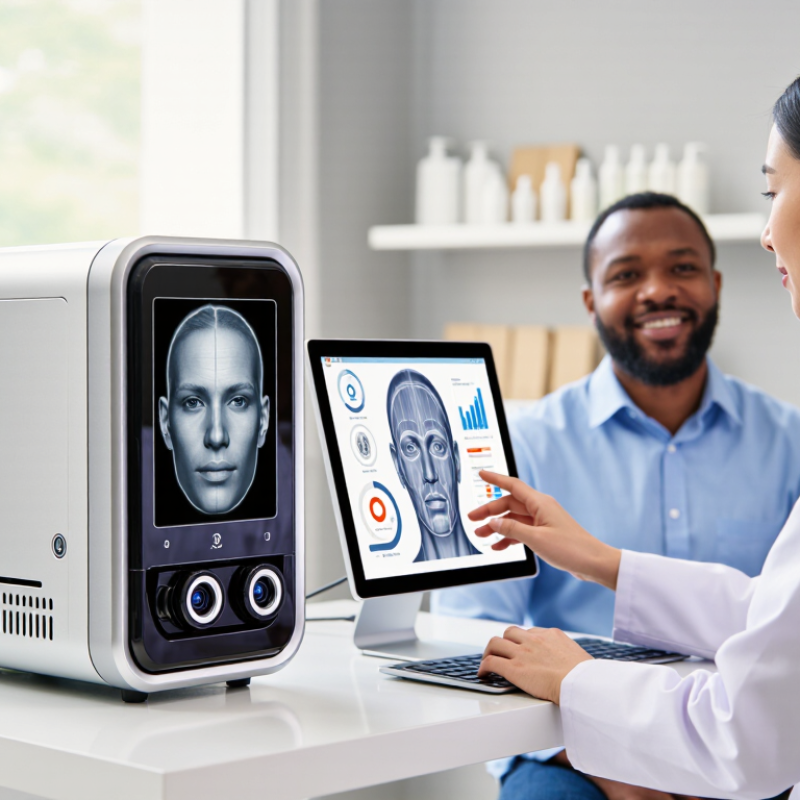
Facial analysis machines use cameras, sensors, and software to examine visible skin conditions. Common functions include moisture measurement, oil analysis, pore observation, wrinkle mapping, pigmentation checks, and redness detection. Some systems also compare images over time. This helps professionals discuss changes with clearer visual evidence.
Accuracy depends on lighting, camera distance, skin preparation, and operator training. A face photographed beside a bright window may produce different results from one captured under controlled lighting. Reliable machines should provide consistent imaging, readable reports, and clear measurement methods. They should support informed consultations, not replace clinical diagnosis. No device is perfectly objective.
Global buyers should examine language options, electrical standards, data storage, warranty coverage, and local service support. Privacy also matters. Facial images may be sensitive personal data, so secure access and transparent consent procedures are essential. In a busy salon, a useful system should complete a scan quickly, display easy-to-understand results, and allow staff to explain each finding without exaggeration. Overly complex software can slow daily work.
The numbers can look precise. They still need professional judgment. Buyers may also request sample reports, calibration details, and training materials before purchasing. A small trial with different skin types can reveal weaknesses that a polished product demonstration hides. This step is sometimes skipped, and that is a mistake.
Key Evaluation Criteria for Global Buyers
Choosing a facial analysis machine requires more than comparing screen size or software features. Global buyers should examine image resolution, lighting consistency, and measurement repeatability. A device must produce similar results during morning and evening sessions. Small lighting changes can distort visible pore, redness, or pigmentation readings.
Skin tone coverage deserves careful attention. Ask for validation data across different ages, genders, and ethnic backgrounds. Marketing claims are not enough. Independent testing, transparent methodology, and published technical documentation provide stronger evidence. The system should also explain its analysis clearly, rather than presenting unexplained scores. Keep interpretation realistic. It is not a medical diagnosis.
Data protection is equally important. Confirm where facial images are stored, who can access them, and how long retention lasts. Local privacy requirements may differ between countries. Check export formats, language options, cleaning procedures, warranty terms, and staff training. A practical trial with real users can reveal workflow problems that a product brochure hides. Test the machine under busy conditions.
Cost needs a wider view. Include installation, calibration, updates, consumables, technical support, and replacement parts. Cheap equipment can become expensive when service is slow. No system is perfect. Some readings may still require professional judgment and repeated scans. Buyers should record these limitations honestly, because reliable evaluation depends on what the machine cannot measure.
Comparing the Top 10 Facial Analysis Machines
Comparing the top 10 facial analysis machines requires more than counting cameras or claiming higher resolution. The strongest systems combine polarized imaging, standardized lighting, skin mapping, and repeatable measurements. In practice, I would compare pore visibility, pigmentation detection, hydration estimates, capture time, and operator consistency. Small details matter. The International Society of Aesthetic Plastic Surgery recorded 19.1 million non-surgical aesthetic procedures worldwide in its 2023 survey. That demand favors machines that produce clear before-and-after evidence, not attractive dashboards.
Among the ten, high-resolution systems may reveal fine texture, but resolution alone can mislead. Uneven room lighting, makeup residue, skin tone, and camera distance can change results. A useful comparison checks calibration routines, repeat scans, measurement repeatability, and whether trained staff can explain the output. Grand View Research valued the global medical aesthetics market at about USD 17.07 billion in 2023, with strong projected growth through 2030. However, this figure covers many technologies, so it cannot prove direct demand for facial analyzers.
The practical winner is not always the most expensive machine. It should export readable reports, protect client data, support local workflows, and avoid diagnostic overstatement. Independent validation remains uneven. Some devices present estimated scores without publishing testing conditions, which weakens trust. I would score each model across accuracy, usability, service support, and total ownership cost. A plain, repeatable scan often beats a spectacular demonstration. That weakness deserves a lower score, even when the images look impressive.
Matching Machine Features to Different Business Needs
Top 10 Facial Analysis Machines for Global Buyers
Matching machine features to business needs requires more than comparing camera counts. In practical evaluations, small clinics often value fast scanning, simple reports, and compact designs. Small clinics need speed. A device with guided lighting can reduce inconsistent images between operators. Touchscreen instructions also help new staff capture clearer forehead, cheek, and chin photographs.
Medical aesthetics practices may need deeper analysis, including pore visibility, pigmentation patterns, redness, wrinkles, and moisture levels. Higher-resolution imaging can support detailed consultations, but it does not guarantee better decisions. Not every feature helps. Ask whether the software explains measurement limits and separates visible observations from clinical diagnosis. Reliable systems should record operator settings, export readable reports, and support regular calibration.
Retail counters and beauty schools usually need affordability, hygiene, and easy training. Look for washable contact surfaces, disposable accessories where appropriate, and analysis times under a few minutes. Multi-location businesses may prefer cloud access, multilingual reports, and standardized lighting conditions. However, cloud functions require careful review of consent, data storage, and regional privacy obligations. Demonstrate the machine with different skin tones and lighting environments before purchasing. A polished demo can hide weak performance. Feature lists are useful, but repeatable test results matter more.
Global Purchasing, Compliance, and After-Sales Considerations
Top 10 Facial Analysis Machines for Global Buyers
Global purchasing requires more than comparing image resolution and software features. Define the intended use first. A skin visualization tool may face different requirements from a device making diagnostic claims. For medical applications, buyers should request ISO 13485 certification, IEC 60601-1 safety evidence, electromagnetic compatibility testing, and market-specific registration documents. NIST’s Face Recognition Vendor Test reported that demographic error differences can vary greatly between algorithms. Therefore, suppliers should provide validation data across skin tones, ages, and lighting conditions. Marketing claims must match tested performance.
Data protection also deserves early attention. Facial images can become sensitive personal data under several privacy frameworks. The IBM Cost of a Data Breach Report 2024 placed the global average breach cost at 4.88 million US dollars. Encryption, role-based access, retention limits, and documented consent procedures should be checked before purchase. Buyers should also confirm where cloud processing occurs. Cross-border data transfers may create unexpected obligations. A perfect compliance checklist is unrealistic, but missing one requirement can delay customs clearance or installation.
Tips: Ask for a sample compliance file, calibration schedule, spare-parts list, and written response times. Test the machine with real clinic lighting, not only showroom images. Confirm software update support for at least three years. Request raw-data export and clear ownership terms. I would still run a paid pilot before ordering ten units; specifications alone rarely reveal workflow problems.
