





What Are the Top Nickel Alloy Round Bar Types in 2026?
In 2026, choosing a Nickel Alloy Round Bar starts with the service conditions, not a popularity list. Temperature, corrosive media, mechanical loads, and fabrication needs all shape the right choice. A bar destined for a marine pump shaft may face chloride exposure, while a furnace fixture must tolerate sustained heat. Small differences matter.
Several grades regularly merit comparison. Alloy 625 is valued for corrosion resistance and strength across demanding environments. Alloy 718 offers high strength after suitable heat treatment, making it relevant to aerospace and power-generation components. Hastelloy C-276 is often considered for severe chemical service, while Alloy 825 can suit equipment exposed to acids and mixed corrosive conditions. Alloy 600 and 601 are common candidates for elevated-temperature applications. These are starting points, not universal answers.
The sections ahead examine these options by composition, properties, typical uses, and practical limitations. They also consider less obvious factors, such as machinability, weldability, stock availability, and total fabrication cost. There is no single “best” grade. A technically impressive alloy can still be the wrong purchase if its properties exceed the need or its condition is unsuitable. Check the applicable material specification, product form, heat-treatment condition, and mill test documentation before ordering. Verify details with the supplier. Specifications and availability can change, and a grade name alone does not confirm performance in a specific component.
What Defines a Nickel Alloy Round Bar?
What Are the Top Nickel Alloy Round Bar Types in 2026?
What Defines a Nickel Alloy Round Bar?
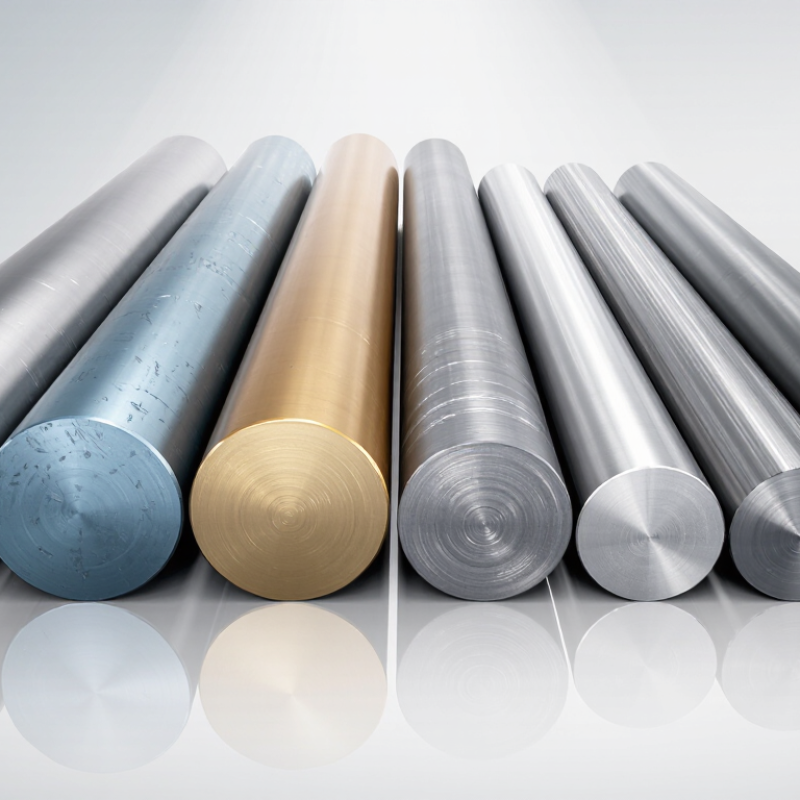
A nickel alloy round bar is a solid, cylindrical metal product made with nickel as a major component. Other elements, such as chromium, molybdenum, iron, or copper, adjust its performance. The exact recipe matters. Two bars with similar appearances can behave differently under heat, pressure, or corrosive conditions.
Its defining features include composition, diameter, surface condition, and manufacturing route. Bars may be hot-worked, cold-finished, or machined, depending on the required dimensions and finish. These details affect strength, tolerances, and how easily the material can be fabricated. A smooth, bright surface is useful, but it does not prove the alloy grade. That distinction is easy to overlook.
Tips: Check the material test certificate for the grade, chemistry, and heat number. Compare the specified diameter and tolerances with the part drawing. Ask how the bar was processed if straightness or surface finish is critical. I would not choose by alloy name alone; service temperature and exposure also matter. A small assumption can lead to the wrong selection.
What Are the Top Nickel Alloy Round Bar Types in 2026?
Nickel alloy round bars are solid, circular-section stock made from nickel-based alloys. Common grades are selected for their specific balance of corrosion resistance, heat resistance, strength, and workability.
The chart compares representative minimum nickel content by weight for common grades. Alloy 718 is shown at the lower end of its typical 50–55% nickel range; actual specifications can vary by standard and product form. Nickel content alone does not determine an alloy’s performance.
How Nickel Alloy Round Bars Are Classified by Composition
What Are the Top Nickel Alloy Round Bar Types in 2026?
How Nickel Alloy Round Bars Are Classified by Composition
Composition is the clearest way to compare nickel alloy round bars. Commercially pure nickel grades, such as UNS N02200 and N02201, suit environments where corrosion resistance and electrical properties matter. Their carbon content differs, affecting performance during high-temperature service. ASTM B160 covers nickel rod and bar products; check the applicable grade and product specification before ordering. Small chemistry changes matter.
Other families gain distinct properties from added elements. Nickel-copper alloys, including UNS N04400, are commonly selected for seawater and chemical equipment. Nickel-chromium and nickel-chromium-molybdenum alloys, such as UNS N06625, balance oxidation resistance with strength and corrosion resistance. Nickel-iron-chromium grades are used where heat and pressure shape design requirements. ASTM B164 and B446 provide relevant bar specifications for certain alloy families. The exact standard depends on the grade and form.
Supply figures offer context, not a substitute for material verification. The USGS Mineral Commodity Summaries 2025 estimated global nickel mine production at 3.7 million metric tons in 2024. That number says nothing about a bar’s finished chemistry. Buyers should review certified test reports for elemental composition, heat treatment, dimensions, and mechanical properties. A family name alone is not enough. Even a familiar designation can hide specification differences.
Leading Nickel Alloy Round Bar Grades in 2026
Leading nickel alloy round bar grades in 2026 serve different combinations of heat, corrosion, and strength demands. Alloy 625 is valued for strength and resistance to many corrosive environments. It appears in marine, chemical-processing, and exhaust-system components. Alloy 718 offers high strength after heat treatment, making it useful for demanding parts exposed to elevated temperatures. Its processing condition matters.
For reducing environments and seawater-related service, Alloy 400 can be a practical choice, though it is not suitable for every chemical. Alloy 600 handles many high-temperature applications, while Alloy 601 is often selected where oxidation resistance is important. C-276 is considered for equipment exposed to particularly aggressive mixtures. Commercially pure nickel grades 200 and 201 may suit caustic service, depending on concentration and temperature.
A grade name alone is not enough. Bar diameter, heat-treatment condition, machining needs, and the actual operating environment all affect performance. I would not choose from a grade chart alone; small changes in chemistry or temperature can alter the result. Check material certificates and applicable specifications, then confirm compatibility with a qualified materials specialist. Not interchangeable.
Comparing Their Properties and Common Applications
Nickel alloy round bars differ in strength, heat tolerance, and corrosion resistance. Alloy 625 combines useful strength with strong resistance to seawater and many chemical environments. It suits marine hardware, heat exchangers, and parts exposed to corrosive fluids. Alloy 718 can reach higher strength after heat treatment, making it common in demanding turbine and aerospace components. The condition matters. A bar’s processing history can change its performance.
Alloy C-276 is often chosen for equipment facing aggressive, mixed chemicals, while alloy 825 is used in chemical processing and oil-and-gas settings where corrosion control is important. Alloy 600 handles elevated temperatures and oxidation in selected furnace and heat-treatment components. These are not interchangeable options. Even within one alloy family, temperature, stress, and fluid chemistry can shift the best choice. Small details matter.
Tips: Compare certified composition, heat-treatment condition, and required mechanical properties before ordering. Match the alloy to the actual operating environment, not just a broad label such as “corrosion-resistant.” A practical caveat: specifications can look clear on paper, yet real service conditions are often messier. When exposure is uncertain, confirm assumptions with a qualified materials engineer.
How to Select the Right Nickel Alloy Round Bar
What Are the Top Nickel Alloy Round Bar Types in 2026? How to Select the Right Nickel Alloy Round Bar
Choosing a nickel alloy round bar starts with its service environment, not a popularity list. Alloy 400 is often considered for reducing conditions and seawater exposure. Alloy 625 offers strong resistance to many corrosive environments, while Alloy 718 is selected where high strength and elevated-temperature performance matter. Alloy 600 is another option for heat and oxidation exposure. No grade is universal. Actual performance depends on temperature, chemistry, stress, and fabrication.
Tips: Write down the process fluid, operating temperature, loads, and any cleaning chemicals. Then compare those conditions with current material data and the required specification. A short list beats guesswork.
Check the bar’s diameter, tolerance, heat-treatment condition, and machining needs before ordering. Ask for material test documentation that confirms chemistry and mechanical properties. For a shaft exposed to chlorides, for example, corrosion resistance may outweigh easy machining. For a heavily loaded component, strength and heat treatment may lead the decision. Confirm compatibility with a qualified materials engineer when conditions are unusual. Data sheets help, but they cannot capture every service detail. I would also review the proposed grade after manufacturing trials; the first choice can look convincing on paper and still machine poorly.
