





2026 Best Laboratory Systems for Global Buyers
Global laboratories are entering a demanding new phase. Buyers now evaluate more than instruments, software, or attractive specifications. They examine workflow resilience, data integrity, service response, cybersecurity, and long-term operating costs. The best Laboratory Systems connect sample collection, testing, quality control, reporting, and decision-making without creating fragile gaps. They must also perform across different languages, infrastructure conditions, staffing levels, and regulatory environments. That is difficult. Perfect standardization remains unrealistic.
Dr. John Nkengasong, a recognized global laboratory systems leader, has stated, “Laboratories are the backbone of any health system.” His observation remains highly relevant for international buyers in 2026. A reliable system should leave a clear digital trail, from barcode scanning to final result authorization. It should reduce transcription errors and reveal delays before they become expensive failures. Buyers should request live demonstrations, documented validation procedures, integration examples, and evidence from comparable laboratories. A polished sales presentation is not enough. Neither is a long feature list.
This guide examines the strongest Laboratory Systems for global purchasing decisions. It considers usability, interoperability, automation, analytics, maintenance, training, and vendor credibility. It also recognizes an uncomfortable truth: the most advanced platform may not be the best choice for every laboratory. A smaller system can sometimes deliver greater stability, especially where connectivity or technical support is limited. Careful comparison matters. So does local experience. The final decision should balance ambition with reality, measurable performance with human judgment, and innovation with dependable daily practice.
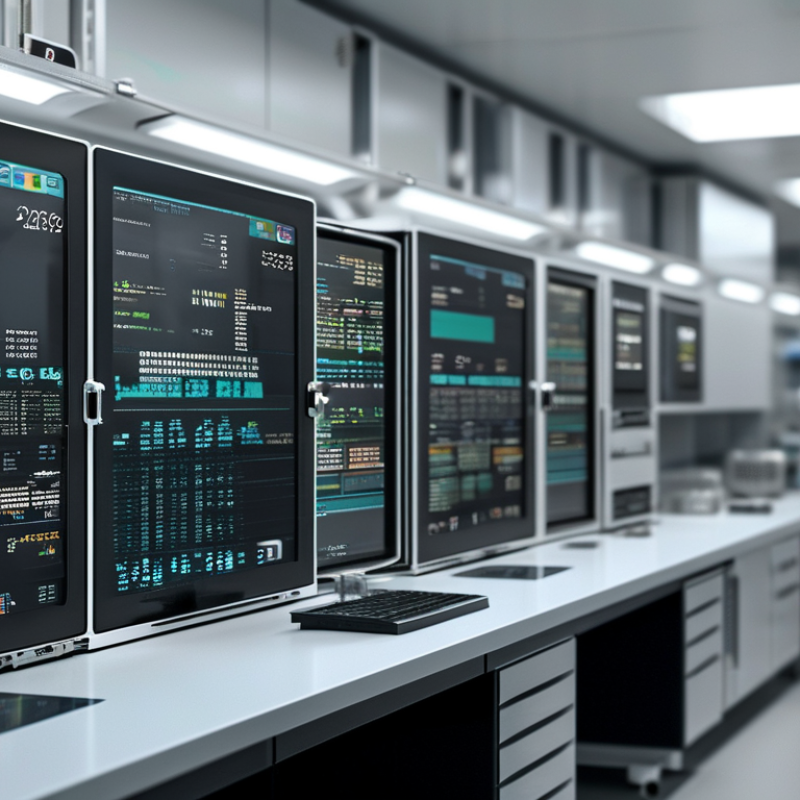
Laboratory System Categories and Their Core Functions
2026 Best Laboratory Systems for Global Buyers
Laboratory systems are not interchangeable. Each category solves a different control problem. A Laboratory Information Management System (LIMS) tracks samples, workflows, instruments, and result histories. It supports chain of custody, audit trails, and standardized reporting. An Electronic Laboratory Notebook (ELN) captures experimental methods, observations, calculations, and researcher approvals. It fits research teams better than routine testing departments.
A Scientific Data Management System (SDMS) organizes files from instruments, images, and analytical software. It reduces scattered records. A Laboratory Execution System (LES) guides technicians through approved procedures, checkpoints, and safety steps.
Quality Management Systems manage deviations, training, document control, and corrective actions. Chromatography Data Systems focus on instrument data, peak integration, and review workflows. The categories overlap, which often confuses procurement teams.
Grand View Research estimated the global LIMS market at about USD 1.2 billion in 2023, with continued growth through 2030. MarketsandMarkets reported a different baseline and faster growth forecast in its 2024 analysis. The gap matters. Market reports use different definitions. Buyers should verify deployment models, integration costs, validation needs, and local data rules. In practice, a small laboratory may need only LIMS and document control. A multinational facility may require connected LIMS, ELN, SDMS, LES, and QMS layers. That sounds efficient. It can also create expensive complexity. A staged pilot with real samples, delayed instruments, and imperfect user training reveals more than a polished demonstration.
Key Selection Criteria for Global Laboratory Buyers
Global laboratory buyers need more than a polished product list in 2026. Selection begins with the work performed every day. Map sample volume, turnaround targets, user skills, and environmental conditions before comparing systems. A compact analyzer may suit a regional clinic, while a modular platform may serve a high-throughput facility. Measure reality. Ask for documented accuracy, precision, detection limits, and validation procedures. Independent evidence matters when results influence treatment, research, or public health decisions.
Compliance requirements differ across markets. Confirm applicable certifications, electrical standards, cybersecurity controls, and data-protection duties with qualified local advisers. Check whether the system supports audit trails, role-based access, secure backups, and exportable records. Connectivity also deserves attention. Test integration with the laboratory information system using real sample identifiers, not a demonstration account. Small interface failures can create large manual workloads. They are easy to underestimate.
Evaluate ownership beyond purchase price. Include consumables, calibration, maintenance, training, shipping, downtime, and disposal planning. Ask how quickly service engineers respond and whether critical parts are available locally. Speak with laboratories using similar workloads. Their experience may reveal noise, cleaning time, or awkward software steps that sales documents omit. No system is perfect. A weighted scorecard improves fairness, but it should remain editable. Needs and regulations change. Review the decision after pilot testing, and record what failed as carefully as what worked.
2026 Advances in Laboratory Automation and Digital Integration
Laboratory automation in 2026 is moving beyond isolated instruments and toward connected, data-driven workflows. Global buyers now evaluate how systems exchange information, not only how quickly they process samples. A modern setup may connect analyzers, electronic records, inventory tools, and environmental sensors through secure interfaces. The result is a clearer sample history, from receipt to final review.
Integration works best when laboratories map each workflow before purchasing equipment. In practice, a barcode scan can trigger preparation steps, update stock levels, and assign testing schedules automatically. Digital dashboards can show queue times, instrument status, and failed quality checks in real time. That visibility supports faster decisions. It also reduces manual transcription.
However, automation does not remove responsibility. Poorly configured rules can repeat errors at impressive speed. I have seen teams focus on hardware while overlooking staff training and data ownership. That assumption can fail. Buyers should request documented validation procedures, role-based access, audit trails, and recovery plans. Interoperability testing matters too, especially when equipment comes from different suppliers. A system may appear connected but still lose units, timestamps, or method details during transfer. Regular review remains necessary, even after successful deployment. Human judgment still matters.
Regional Compliance, Safety, and Installation Requirements
2026 Best Laboratory Systems for Global Buyers
Regional compliance should guide laboratory system selection from the beginning. A design accepted in one country may require changes elsewhere. Electrical voltage, plug formats, grounding, and electromagnetic compatibility need local verification. Experienced buyers request current certificates, test reports, and installation drawings before placing an order. Documents matter.
Safety requirements also vary by application and location. A fume hood may need specific airflow testing, alarm functions, and emergency power support. Gas systems require compatible materials, pressure controls, leak testing, and clearly marked shutoff valves. Chemical storage areas should match local fire codes and ventilation rules. Small oversights can become expensive delays.
Installation conditions deserve equal attention. Measure door widths, ceiling height, floor loading, drainage points, and available ventilation capacity. Confirm whether local technicians can commission the system and maintain critical parts. Regional inspectors may require witnessed testing before operation. That step is often underestimated. A remote supplier may provide accurate equipment, yet misunderstand the building’s limitations. Buyers should keep a written responsibility matrix for design, delivery, installation, validation, and staff training. Some project schedules look realistic only because inspection time is missing. Recheck every assumption with a qualified local consultant.
2026 Best Laboratory Systems for Global Buyers
Regional Compliance, Safety, and Installation Requirements
The chart compares nominal public electricity requirements across major laboratory markets. Values are based on commonly used regional supply standards aligned with IEC 60038: voltage is shown in volts and frequency in hertz. Laboratory systems should also be evaluated against IEC 61010-1 for measurement, control, and laboratory equipment safety, while testing laboratories may require ISO/IEC 17025 accreditation. Final installation decisions should verify the local utility supply, earthing, circuit protection, ventilation, and site-specific regulatory requirements.
Cost, Support, and Lifecycle Evaluation of Laboratory Systems
For global buyers, laboratory system value extends beyond the purchase price. A lower quote can hide installation delays, training fees, and costly accessories. Compare the full landed cost, including shipping, validation, software updates, utilities, and planned maintenance.
Request a five-year cost model. Show assumptions clearly. This makes budget discussions more honest. It also exposes weak estimates early. I have seen teams underestimate room preparation. That mistake can delay commissioning for weeks.
Support quality deserves equal attention. Ask who answers urgent calls, where engineers are located, and how spare parts are stocked. Check service hours across time zones. Require written response targets and escalation contacts.
Speak with comparable laboratory users, not only sales references. Their experience often reveals practical details, such as calibration turnaround and remote troubleshooting quality.
Support should also include user training, cybersecurity updates, documentation, and change-control guidance. These details protect data integrity and staff confidence.
Lifecycle evaluation should reflect actual workload. Review throughput, downtime records, consumable use, upgrade paths, and disposal requirements. A system that fits today may become restrictive after expansion.
Ask whether modules can be repaired, replaced, or integrated with existing instruments. Do not assume every promised upgrade will be affordable. Our own projections have been too optimistic before.
Recheck them with operators, finance staff, and technical specialists. A dependable decision balances measurable cost, responsive support, and maintainable performance over years.
Related Posts
-
Challenges in Meeting Global Standards for Laboratory Device Manufacturing
-

Leading Examples of Innovative Laboratory Systems for Global Buyers
-

Understanding Best Lab Instruments Specifications and How to Choose the Right One
-
Laboratory Instrumentation Showdown: Choosing the Right Tools for Your Research Needs
-

Essential Laboratory Tools for Accurate Scientific Experimentation Techniques
-
What is Laboratory Tools and Their Importance in Scientific Research?