What Is Used Lab Equipment and How to Buy It?
Used Lab Equipment can help laboratories expand capacity without paying the price of every item new. It may include refurbished instruments, surplus stock, or equipment sold as-is. Those categories are not interchangeable. A centrifuge with a documented service history presents a different level of risk from one with missing records and an unknown repair history.
“Buy the instrument’s evidence, not just its price tag,” advises laboratory equipment specialist Dr. Maya Chen. Before purchasing, check the model and serial number, service records, calibration status, included accessories, and warranty terms. Ask who inspected the equipment and what testing was performed. For example, a microscope may look clean under bright lights, yet still have scratched optics or a loose focus mechanism. Photos help, but they cannot replace inspection or written condition details.
This guide explains what Used Lab Equipment means and how to assess a purchase with care. It covers equipment types, seller checks, condition reports, pricing, shipping, and post-delivery testing. Match each instrument to its intended use and required performance; a low price is not a bargain if the equipment cannot meet your needs. Keep the paperwork. One imperfect detail deserves attention: sellers may use terms such as “refurbished” differently, so ask what the label means for that specific item.
What Is Used Lab Equipment?
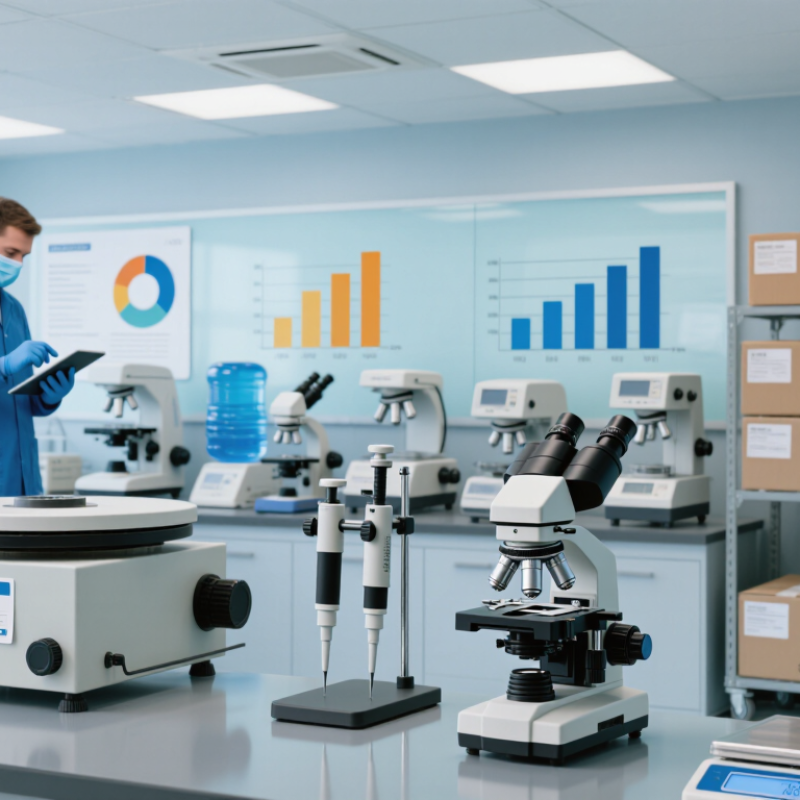
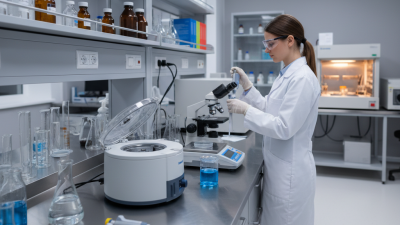
Used lab equipment refers to scientific instruments that have had a previous owner or prior application. It may include microscopes, centrifuges, balances, incubators, pumps, and temperature-control devices. These items can come from research facilities, teaching laboratories, equipment rentals, or display inventories. Their condition varies widely. Some were maintained carefully and used only occasionally. Others may look clean while hiding worn seals, unstable sensors, or outdated software. A used unit is not automatically unreliable. Its history matters more than its age.
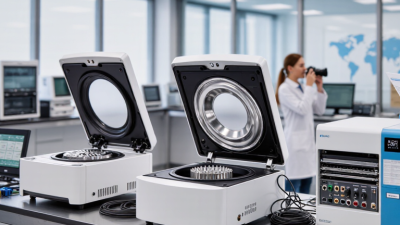
In practice, evaluation should begin with documentation, not appearance. Ask for the equipment’s service history, operating hours, calibration records, and reason for resale. Check the serial information and confirm that replacement parts remain available. Inspect cables, doors, rotors, chambers, screens, and safety interlocks. Test the equipment under realistic conditions when possible. For example, a centrifuge should run smoothly without unusual vibration. A balance should return to zero consistently. A qualified technician can identify faults that casual inspection misses. Clean surfaces can mislead. I have learned that even experienced buyers sometimes trust appearance too quickly.
Tips: Compare several units, not just prices. Request a live demonstration or detailed operating video. Confirm included accessories, manuals, and warranty terms. Allow room in your budget for calibration, installation, and minor repairs. If the seller cannot explain the equipment’s history, slow down. That uncertainty may become your largest cost.
What Types of Used Lab Equipment Are Available?
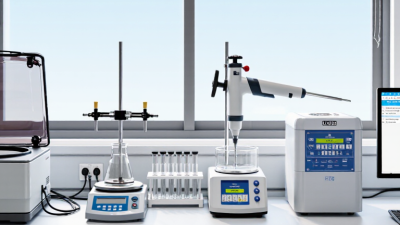
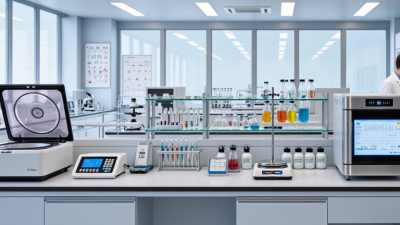
Used lab equipment covers a wide range of tools, from simple glassware to complex analytical systems. Common options include microscopes, centrifuges, balances, incubators, ovens, and water baths. Each serves a different purpose. A centrifuge spins samples in a rotor, while an incubator maintains a controlled temperature for growing or storing materials. Small details matter, such as rotor capacity, chamber size, and the readability of a balance display.
More specialized equipment includes spectrophotometers, chromatography systems, thermal cyclers, and environmental chambers. These instruments may offer useful capabilities at a lower cost, but their condition can vary. Ask for service records, calibration information, and a clear list of included accessories. Check whether software, cables, rotors, or temperature probes are present; missing parts can delay setup. A photograph helps, but it cannot confirm performance. Request a demonstration or recent test results when possible.
Some equipment looks clean but has worn seals, noisy fans, or uneven temperature control. That happens. Consider the intended workload before choosing: a lightly used benchtop unit may suit routine work, while a high-throughput laboratory may need greater capacity and stronger support. Compatibility with existing power, ventilation, and workspace also deserves attention. I would not rely on a seller’s description alone; verify the model details and test the functions that matter to your procedures.
What Types of Used Lab Equipment Are Available?
Used equipment commonly spans analytical instruments, sample preparation, general lab tools, cold storage, and safety equipment.
Bars count example equipment types listed for each category; they are not market-share or availability estimates. Before buying, verify condition, service history, included accessories, and calibration requirements.
How to Assess the Condition and Suitability of Used Equipment
Assess used laboratory equipment as a working system, not a polished casing. Check the serial plate, service history, error logs, and calibration records. Ask when parts were replaced and whether the original manuals remain available. WHO’s Laboratory Quality Management System handbook identifies equipment management as one of 12 essentials of a quality system. That makes documentation part of suitability, not paperwork to chase later.
Run the instrument through a realistic test before purchase. For a centrifuge, inspect the rotor for corrosion and listen for vibration at operating speed. For a balance, test repeatability with traceable weights across its expected range. Record the results. A single successful run proves little. The NIST Handbook 44 report provides detailed test procedures and tolerances for weighing devices; use the relevant guidance where applicable, but do not treat it as a substitute for your lab’s method requirements. Check electrical safety, software access, included accessories, and local service availability. A low price can hide costly downtime. I have seen neat-looking instruments fail on missing cables. Easy to overlook. Confirm that the equipment can meet your required accuracy, throughput, and environmental conditions, then document any unresolved concerns before accepting delivery.
Where to Find and Buy Used Lab Equipment
Used lab equipment is commonly listed through university surplus offices, laboratory-closure auctions, specialist refurbished-equipment dealers, and scientific-equipment marketplaces. University listings may include centrifuges, balances, and cabinets from a single facility. Auctions can offer lower prices, but inspection time is often limited. Ask for the model, serial number, service history, and a clear photo of the control panel. For temperature-sensitive instruments, request recent calibration or performance records before arranging delivery. A bargain without paperwork can become expensive.
The Global E-waste Monitor 2024 reports that the world generated 62 million tonnes of electronic waste in 2022, while only 22.3% was documented as formally collected and recycled. This figure covers all electronic waste, not laboratory equipment alone, but it underscores the value of extending equipment life when safe and practical. A used instrument should still meet its intended performance needs. Check whether replacement parts, manuals, and qualified servicing are available. For equipment that handles biological materials, confirm its cleaning, maintenance, and decontamination records with the seller; do not rely on appearance alone.
What to Check Before Completing a Purchase
What Is Used Lab Equipment and How to Buy It?
What to Check Before Completing a Purchase
Before buying used lab equipment, check its condition in person or request a live demonstration. Look for corrosion, cracked housings, frayed cables, and worn controls. Small defects can signal larger problems, though appearance alone cannot confirm performance. Ask for the equipment’s age, maintenance records, and repair history. Missing records are not always a deal-breaker, but they make careful testing more important.
Match the equipment’s specifications to your actual procedures. Confirm that temperature ranges, measurement accuracy, capacity, and power requirements meet your needs. Ask whether calibration has been performed recently, and request documentation when available. Test moving parts, displays, alarms, and safety features. For a centrifuge, for example, check that the lid locks securely and the rotor turns without unusual noise. Test it.
Clarify what the price includes: accessories, manuals, installation, shipping, and any return period. Photograph the unit before shipment and document any existing damage. If possible, have a qualified technician inspect specialized equipment. A rushed purchase can look like a bargain. It may not be. Allow time to compare the equipment’s condition and specifications with the cost of repairs or replacement.
| Equipment Category | Typical Laboratory Use | Key Specifications to Verify | Physical and Functional Inspection | Documents and History | Main Purchase Risk | Recommended Acceptance Test |
|---|---|---|---|---|---|---|
| Analytical Balance | Measuring the mass of samples with high precision in analytical, formulation, and quality-control work. | Readability, maximum capacity, repeatability, linearity, draft-shield condition, and calibration range. | Check the weighing pan, level indicator, display, keypad, doors, stabilization time, and performance with certified test weights. | Calibration certificate, service history, operating manual, and confirmation that the balance was transported correctly. | High | Perform repeatability, eccentricity, and linearity checks using suitable traceable weights. |
| Benchtop Centrifuge | Separating liquids, cells, particles, or precipitates by centrifugal force. | Maximum relative centrifugal force, speed range, rotor type, tube capacity, timer range, and temperature control if refrigerated. | Inspect the rotor, buckets, lid lock, chamber, seals, imbalance detection, brake, and unusual vibration or noise. | Rotor inspection record, maintenance history, operating manual, and evidence of safety testing. | High | Run the centrifuge at several speeds with a balanced load and verify stable operation and lid interlock function. |
| Laboratory Oven | Drying samples, heating materials, and conducting controlled temperature procedures. | Temperature range, chamber volume, temperature uniformity, stability, ventilation, and controller resolution. | Check door seals, shelves, heating elements, fan, interior corrosion, over-temperature protection, and controller response. | Temperature-mapping report, calibration record, service history, and electrical safety documentation. | Medium | Measure temperature at multiple chamber locations at the intended operating set point. |
| Incubator | Maintaining controlled temperature for microbiology, cell culture, and biological sample work. | Temperature range, uniformity, stability, chamber volume, humidity control, and carbon dioxide control where applicable. | Inspect door gasket, shelves, interior surfaces, sensor, fan, water tray, alarm functions, and signs of contamination. | Decontamination record, calibration certificate, maintenance history, and previous-use information. | High | Verify temperature stability and uniformity over an extended operating period before routine use. |
| Refrigerator or Freezer | Storing reagents, samples, standards, and temperature-sensitive materials. | Set-point range, actual operating range, temperature uniformity, capacity, alarm limits, and recovery time after door opening. | Check compressor noise, door seals, shelves, frost accumulation, temperature display, alarm, and backup-power provisions. | Temperature logs, calibration record, alarm test record, service history, and decontamination documentation. | High | Monitor the internal temperature continuously under normal loading conditions before accepting the unit. |
| pH Meter | Determining the acidity or alkalinity of aqueous samples and process solutions. | Measurement range, resolution, accuracy, electrode compatibility, temperature compensation, and input stability. | Inspect the electrode, cable, connector, display, calibration controls, reference junction, and evidence of drying or crystallization. | Calibration record, electrode age, storage instructions, operating manual, and replacement-part availability. | High | Calibrate with appropriate buffer solutions and verify the reading with an independent check solution. |
| UV-Visible Spectrophotometer | Measuring absorbance or transmission for concentration and spectral analysis. | Wavelength range, wavelength accuracy, photometric range, resolution, stray light, cuvette path length, and software compatibility. | Check the lamp hours, sample compartment, cuvette holder, display, ventilation, baseline stability, and error messages. | Wavelength and photometric calibration records, lamp replacement history, software details, and service records. | High | Run a wavelength-accuracy and photometric-accuracy verification using suitable certified reference materials. |
| Microscope | Magnifying and examining cells, particles, surfaces, sections, and prepared specimens. | Optical magnification, illumination type, objective compatibility, stage travel, camera interface, and image resolution. | Inspect lenses for scratches or fungus, verify focus, stage movement, illumination intensity, alignment, and camera operation. | Optical configuration list, maintenance history, user manual, and details of included objectives and accessories. | Medium | Examine a calibration slide at each intended magnification and check image clarity across the field of view. |
| Water Purification System | Producing purified water for reagent preparation, rinsing, analytical work, or general laboratory use. | Water quality grade, resistivity or conductivity, flow rate, storage capacity, filter configuration, and monitoring capability. | Check tubing, leaks, pumps, cartridges, display, dispensing valve, sanitation condition, and filter replacement indicators. | Water-quality reports, filter replacement history, sanitization records, operating manual, and consumables information. | Medium | Test the produced water using an appropriate conductivity or resistivity meter and inspect for leaks during operation. |
| Fume Hood | Reducing exposure to hazardous vapors, gases, aerosols, or unpleasant odors during chemical procedures. | Face velocity, sash opening, working width, exhaust connection, alarm system, and airflow requirements. | Inspect sash movement, baffles, interior lining, lighting, airflow indicator, electrical outlets, corrosion, and exhaust connection. | Recent airflow certification, installation information, inspection history, and records of hazardous contamination or cleaning. | High | Require a qualified airflow and containment test before use with hazardous substances. |
| Autoclave | Steam sterilization of suitable laboratory instruments, media, glassware, and waste. | Chamber volume, temperature and pressure range, cycle types, load capacity, cooling options, and safety interlocks. | Inspect the chamber, door gasket, drain, pressure gauge, valves, sensors, locking mechanism, alarms, and corrosion. | Validation records, pressure-vessel inspection, maintenance history, cycle records, and decontamination documentation. | High | Require qualified installation and performance qualification before processing critical materials. |
| Vacuum Pump | Creating reduced pressure for filtration, evaporation, drying, degassing, or vacuum desiccation. | Ultimate vacuum, pumping speed, inlet size, chemical compatibility, oil type, noise level, and duty cycle. | Check oil condition where applicable, hoses, fittings, seals, exhaust filter, motor noise, vibration, and leak rate. | Service history, pump-hour record, oil-change history, compatibility information, and included accessories. | Medium | Measure the achieved vacuum with a calibrated gauge and perform a basic leak test under load. |
| Laboratory Shaker | Mixing cultures, solutions, and samples at a controlled speed and motion. | Orbital or reciprocating motion, speed range, orbit diameter, platform size, load capacity, and timer function. | Inspect platform, clamps, motor, belt, controls, timer, speed stability, and vibration at the intended load. | Operating manual, maintenance record, platform-accessory list, and electrical safety information. | Low | Verify speed and motion using a suitable tachometer or validated measurement method with a representative load. |
| Pipette | Transferring measured liquid volumes in analytical, biological, and quality-control procedures. | Volume range, adjustment type, channel count, tip compatibility, accuracy, and precision requirements. | Check piston movement, seals, cone condition, volume adjustment, ejector, contamination, and visible damage. | Calibration certificate, service history, decontamination statement, and compatible tip information. | High | Perform gravimetric volume testing at selected points across the working range. |