




Why Are Laboratory Systems Essential for Modern Labs?
Modern laboratories handle more than experiments. They manage samples, instruments, records, staff schedules, and strict quality checks. Laboratory Systems connect these moving parts, helping teams track a sample from arrival to final report. A barcode scanned at reception can link the specimen to its storage location, test history, and result. That practical continuity reduces avoidable handoffs and makes errors easier to investigate.
Quality-management expert W. Edwards Deming is often quoted as saying, “In God we trust; all others must bring data.” His reminder fits laboratory operations: reliable decisions need traceable, consistent information. A well-designed Laboratory Systems environment can support that goal through validated workflows, access controls, audit trails, and instrument connectivity. It can also help managers see delays, recurring errors, and workload pressures before they become routine. The software is only part of the answer. Clear procedures and trained staff still matter.
No system is perfect. A poorly configured workflow can spread confusion faster than paper ever did. Teams should assess their actual processes, involve bench staff, and verify that data move correctly between instruments and records. Small details count: a mislabeled tube, a delayed result, or an unclear alert can disrupt a busy shift. It is tempting to buy a platform before defining the problem. That deserves a second look. Modern labs need systems that fit real work, protect data quality, and remain adaptable as methods and demands change.

What Laboratory Information Systems Manage Across the Testing Workflow
A laboratory information system manages the information that follows a test from request to reported result. It links test orders with patient details, specimen identifiers, and the correct testing procedures. When a sample arrives, staff can record its collection time, condition, and location. A barcode helps connect the tube on the bench to its digital record.
Small errors matter.
During testing, the system tracks progress and can receive results from analyzers or manual entry. It may flag missing data, results outside defined limits, or quality-control checks that need review. A technologist can inspect a flagged result before it moves to final approval. This supports consistent work, but it does not replace professional judgment.
After verification, the system releases results to authorized clinical teams and stores who changed or approved each record. Access controls and audit trails help protect sensitive information and make later reviews more practical. Reliable operation also depends on accurate setup, staff training, and dependable connections with other systems.
That part is easy to underestimate.
Even a well-designed workflow can create confusion if test codes, reference ranges, or handoff steps are configured poorly. Teams should review these details as procedures change.
How LIMS Tracks Samples from Accessioning to Verified Results
Why Are Laboratory Systems Essential for Modern Labs?
How LIMS Tracks Samples from Accessioning to Verified Results
A sample’s record begins at accessioning. Staff enter its identifier, collection details, and requested tests into a laboratory information management system (LIMS). A barcode can then link the tube on the bench to its digital record. Small details matter. If a label is smudged or a field is incomplete, staff can flag the issue before testing continues. The system helps make each handoff visible, rather than relying on memory or scattered notes.
As work progresses, the LIMS records assigned tests, instrument data, and status changes. If a sample needs rerun, staff can document why and connect the new result to the original. Authorized reviewers can compare results with relevant quality checks before verification. This creates a traceable record of who entered or reviewed information and when. It does not replace careful judgment. A system is only as reliable as its procedures and the people using it; that part can be harder than the software suggests.
Tips: Scan labels at the bench, not later from memory. Check identifiers before recording results, and document corrections with a clear reason. Review pending flags at shift changes. Even a tidy workflow can miss something, so periodically compare selected digital records with the physical sample and instrument output.
How Instrument Integration Supports Reliable, Connected Lab Data
Why Are Laboratory Systems Essential for Modern Labs?
How Instrument Integration Supports Reliable, Connected Lab Data
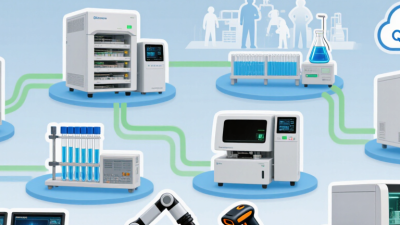
A laboratory instrument may produce precise measurements, yet disconnected data can still create uncertainty. When results move by hand between a balance, analyzer, and information system, transcription errors and missing context become more likely. Integration connects instruments with shared workflows, so readings can travel with details such as sample ID, time, and method.
In practice, this might mean a sample barcode is scanned once, then linked to an instrument result and its audit trail. Staff can spend less time retyping values and more time checking unusual readings. Good integration also makes it easier to trace where data came from and whether required steps were completed. That matters.
Connections need careful design. Units, field names, and instrument settings may differ, and an automated transfer can carry a wrong value just as efficiently as a correct one. Validation with known samples, access controls, and routine review help catch problems before they spread. No system removes the need for human judgment.
There is a less tidy reality: older instruments may not share data cleanly, and workflows change. A phased rollout, clear ownership, and documented exception handling can make integration more dependable. Teams should test the full path, from sample entry to report, rather than assuming that a successful connection means the data are trustworthy.
How ISO 15189:2022 and FDA 21 CFR Part 11 Shape Data Governance
Why Are Laboratory Systems Essential for Modern Labs?
How ISO 15189:2022 and FDA 21 CFR Part 11 Shape Data Governance
A laboratory system is more than a place to store results. It connects sample identification, instrument data, review, and reporting. Under ISO 15189:2022, medical laboratories need to demonstrate competence and manage quality and risk. Reliable records help staff trace a result from collection to release. A misplaced decimal can matter. Clear access rules and review steps reduce avoidable uncertainty.
FDA 21 CFR Part 11 addresses electronic records and signatures when those records fall under applicable FDA requirements. It is not a blanket rule for every digital laboratory file. Where it applies, controls may include validated systems, unique user access, secure audit trails, and signature links to specific records. For example, a reviewer should be able to see who changed a result, when it changed, and why. The system should preserve the earlier entry, not quietly replace it.
These standards shape governance in different but complementary ways: ISO 15189 emphasizes laboratory quality and competence, while Part 11 sets expectations for certain regulated electronic records. Written procedures matter, but daily habits matter too. Staff need training, and permissions should match their roles. No system prevents every mistake. An audit trail can reveal a problem after it happens; it cannot make the original decision sound. Regular review helps teams notice gaps before they become routine.
Why Are Laboratory Systems Essential for Modern Labs? - How ISO 15189:2022 and FDA 21 CFR Part 11 Shape Data Governance
| Data governance dimension | ISO 15189:2022 perspective | FDA 21 CFR Part 11 perspective | Practical laboratory system control |
|---|---|---|---|
| Scope and applicability | Specifies requirements for quality and competence in medical laboratories, including relevant information-management processes. | Applies to electronic records and electronic signatures when they are created, maintained, or used to meet FDA requirements under applicable predicate rules. It does not automatically apply to every laboratory record. | Document intended uses, applicable regulations, record types, and system boundaries before configuring or validating a system. |
| System selection and validation | Information-management systems used for the laboratory’s activities must be managed so that information is reliable and the system is fit for its intended use. | For systems within Part 11 scope, 21 CFR 11.10(a) requires validation of systems to ensure accuracy, reliability, consistent intended performance, and the ability to discern invalid or altered records. | Maintain documented requirements, risk-based testing, approval records, change control, and evidence that critical workflows perform as intended. |
| Access and authority | Responsibilities and access to laboratory information should be controlled to support confidentiality, integrity, and appropriate use. | For closed systems, 21 CFR 11.10(d) requires limiting system access to authorized individuals; 11.10(g) addresses authority checks. | Use unique user accounts, role-based permissions, timely access reviews, and prompt removal or adjustment of access when duties change. |
| Audit trails and changes | Information-management arrangements should protect records and support traceability of laboratory activities and results. | For records within scope, 21 CFR 11.10(e) requires secure, computer-generated, time-stamped audit trails that independently record creation, modification, or deletion actions without obscuring prior information. | Record who changed a result or record, when the change occurred, and—where relevant—the reason; restrict audit-trail alteration and review significant events. |
| Record retention and retrieval | Laboratories need controlled records and access to information required for their activities, including during information-system interruptions. | 21 CFR 11.10(c) requires protection of records so they can be accurately and readily retrieved throughout the required retention period. | Define retention periods from applicable requirements; test backup restoration, readable exports, retrieval, and continuity procedures. |
| Electronic signatures | Electronic approvals should be attributable to authorized personnel and fit the laboratory’s documented procedures. | Where Part 11 applies, electronic signatures must meet applicable requirements, including identity verification and signature-to-record linking; see 21 CFR 11.50, 11.70, and 11.100. | Capture signer identity, date and time, and signature meaning where required; ensure signatures remain linked to the signed record. |
| Confidentiality and security | Laboratory processes should protect confidential information and control access to patient and laboratory data. | Part 11 includes controls for system access and, for open systems, additional measures under 21 CFR 11.30 to protect records as appropriate. | Apply least-privilege access, secure transmission, appropriate encryption, monitoring, and incident-response procedures based on risk and applicable law. |
| Downtime and continuity | Information-management arrangements should address system failures and maintain safe, controlled laboratory operations during interruptions. | Part 11 does not replace applicable predicate-rule recordkeeping duties; records must remain available and trustworthy when those requirements apply. | Maintain documented downtime workflows, controlled temporary records, reconciliation steps, and tested recovery procedures. |
Note: ISO 15189:2022 and FDA 21 CFR Part 11 have different scopes. Applicability depends on the laboratory’s activities, records, jurisdiction, and relevant regulatory requirements.
Why System Scale Matters: CDC’s CLIA Program Oversees 320,000+ U.S. Laboratory Entities
More than 320,000 U.S. laboratory entities operate under the Clinical Laboratory Improvement Amendments (CLIA) framework. That scale makes reliable laboratory systems essential. The Centers for Medicare & Medicaid Services administers CLIA, while the Centers for Disease Control and Prevention contributes scientific expertise and guidance. Their roles support quality across settings, from hospital laboratories to small testing sites.
A well-designed system connects daily work to dependable results. It can track a specimen from collection through testing, record who handled it, and flag missing information. Clear quality-control records help staff spot shifts before they affect more results. These details matter when thousands of facilities use different equipment, workflows, and staffing models. Scale changes everything.
Good systems also make oversight more practical. Consistent records can help laboratories prepare for inspections, review errors, and train new staff. Yet software alone cannot ensure accuracy; people still need time, sound procedures, and judgment. No system is flawless. A rushed data entry or unclear handoff can still create confusion, so laboratories must regularly check whether their processes work as intended. The national reach of CLIA makes those small checks consequential.
Why Are Laboratory Systems Essential for Modern Labs?
Why System Scale Matters: CDC’s CLIA Program Oversees 320,000+ U.S. Laboratory Entities
The figure illustrates the scale of laboratory oversight in the United States. Reliable systems help labs manage workflows, records, and quality processes consistently across a large and varied landscape.
Source: CDC, Clinical Laboratory Improvement Amendments (CLIA). The bar shows the 320,000 threshold; the program oversees more than this number of laboratory entities.